








Why At-Home ABA Therapy is Beneficial for Nonverbal Children
Unlocking Potential: The Impact of At-Home ABA Therapy for Nonverbal Children


Understanding ABA Therapy for Nonverbal Children
For many families with nonverbal children, navigating communication challenges can be daunting. Applied Behavior Analysis (ABA) therapy, particularly when conducted at home, provides an effective framework to address these difficulties. By utilizing a personalized approach that integrates family involvement, structured learning, and the child's natural environment, ABA therapy can significantly enhance communication and life skills, promoting independence and higher quality of life.
Enhancing Communication Skills Through ABA Therapy
How can ABA therapy help with communication skills in nonverbal children?
Applied Behavior Analysis (ABA) therapy is instrumental in enhancing communication skills for nonverbal children, especially those with autism spectrum disorder (ASD). By focusing on both expressive and receptive language, this therapy helps children convey their thoughts, feelings, and understand verbal instructions effectively.
Expressive and receptive language development
ABA therapy breaks down communication into manageable steps. For instance, nonverbal children learn to use picture communication boards, gestures, or alternative communication devices to express their needs. Techniques like structured play, where children engage in meaningful interactions, are employed to enhance both vocabulary and sentence structure, fostering the ability to articulate thoughts clearly.
Use of positive reinforcement
Positive reinforcement is a core component of ABA. By rewarding desired communication behaviors—like using words, picture symbols, or gestures—children are encouraged to practice and expand on their language skills. This method not only motivates them to communicate more but also builds confidence in expressing themselves.
Improvement in social communication skills
ABA therapy significantly enhances social communication skills. It teaches children essential strategies for initiating and maintaining conversations and interpreting non-verbal cues like eye contact and body language. Social skills practice in a familiar home environment allows for skill generalization, so children can better interact with peers and caregivers across different settings.
The Advantages of Conducting ABA Therapy at Home

Why is in-home ABA therapy beneficial for nonverbal children?
In-home ABA therapy is exceptionally advantageous for nonverbal children because it creates a supportive and familiar environment. Being in a comfortable setting alleviates anxiety, allowing children to engage more effectively with the therapeutic process. This environment encourages more meaningful interactions, enhancing their ability to generalize newly learned communication skills in real-life contexts.
Moreover, therapists can tailor their approaches to integrate the child's daily routines, teaching skills such as brushing teeth or following directions within familiar activities. This makes learning relevant, enabling children to apply their skills effectively.
Additionally, incorporating novel techniques like virtual reality (VR) can significantly enhance the therapy experience. Research indicates that VR interventions improve various skills in individuals with ASD, particularly in daily living and emotional regulation. By leveraging these advanced methods alongside in-home therapy, children benefit from innovative and effective learning experiences.
In summary, the combination of a supportive environment, practical skill application, and cutting-edge techniques makes in-home ABA therapy particularly effective for nonverbal children.
The Synergy Between ABA Therapists and Speech-Language Pathologists
What role do ABA therapists play alongside speech-language pathologists (SLPs)?
ABA therapists play a vital role in the therapeutic landscape for children with autism, particularly those facing communication challenges. Their involvement complements the expertise of speech-language pathologists (SLPs), as they bring a structured approach to behavior modification and communication skill development. By employing evidence-based practices like the Antecedent-Behavior-Consequence (ABC) model, ABA therapists work to analyze behaviors and establish effective interventions.
How do ABA therapists collaborate with SLPs?
The collaboration between ABA therapists and SLPs is key to developing comprehensive treatment plans. This partnership ensures that both behavioral and language skills are addressed simultaneously, creating a more holistic approach to therapy. Techniques employed in this collaboration include:
- Modeling: Demonstrating desired communication behaviors.
- Task Analysis: Breaking down skills into manageable steps, which aids in learning.
- Picture Exchange Communication System (PECS): Utilizing visual aids to help nonverbal children express their needs and desires.
What methods like PECS are effectively used?
Using methods such as PECS enhances communication and social interaction. This system allows children to exchange pictures for desired objects or actions, facilitating a non-verbal means of communication that can significantly reduce frustration. Through these specialized techniques, both ABA therapists and SLPs work closely to meet the unique needs of each child, promoting improved autonomy in their communication skills.
Implementing ABA Therapy at Home
How is ABA therapy conducted at home?
In-home ABA therapy is delivered by a trained therapist who comes to the child's home to implement a personalized plan tailored to their needs. This familiar environment allows children to practice new skills amid their daily routines, reducing anxiety and enhancing the effectiveness of learning.
Steps for effective home setup
To create an ideal therapy environment, families should:
- Designate a therapy space: Choose a quiet area in the home free from distractions.
- Organize materials: Gather necessary resources like toys, books, or communication aids that will be used during sessions.
- Establish a routine: Create a consistent schedule for therapy that fits within the child's daily life, promoting regular practice of skills.
Role of parents and family
Parents play a crucial role during in-home therapy. They observe the therapist, learn effective techniques, and become integral to reinforcing behaviors outside of sessions. Engaging family members ensures a consistent support system, enhancing the child's learning experience. By implementing newly learned strategies at home, families help their children develop skills necessary for daily living tasks.
Overall, in-home ABA therapy merges the comfort of home with structured, effective methods, promoting successful outcomes for nonverbal children.
The Role of Family Involvement in ABA Therapy

Importance of parental participation
Parental involvement is essential for the success of in-home ABA therapy. Engaging family members helps create a supportive environment where children feel comfortable learning. Parents can observe therapy sessions, enabling them to understand effective interaction methods that facilitate their child's progress. This direct involvement fosters a consistent support system, particularly beneficial for nonverbal children who rely on clear communication cues.
Strategies for skill reinforcement
Families play a crucial role in reinforcing the skills their children learn during therapy sessions. Here are some strategies for effective reinforcement:
- Utilizing daily activities: Parents can integrate learned skills into everyday routines, such as encouraging their child to communicate during meal times.
- Positive reinforcement: Using preferred toys or activities as rewards can motivate children to practice new behaviors at home.
- Creating communication opportunities: Parents can implement picture communication boards or gestures to support nonverbal children in expressing their needs.
Consistency and progress
Consistency across home and therapy settings is vital for the child's progress. When parents actively participate in ABA therapy, they reinforce learning, which leads to better skill generalization. Practicing skills in real-life environments enhances independence and self-sufficiency, enabling children to effectively use what they've learned in various situations. The structured support from parents significantly contributes to achieving successful outcomes in ABA therapy.
Promoting Independence and Daily Living Skills
Teaching Life Skills
In-home Applied Behavior Analysis (ABA) therapy emphasizes the development of essential life skills, allowing children, particularly those who are nonverbal, to engage in daily activities such as brushing their teeth, dressing, and following directions. By practicing these tasks in a familiar environment, children can generalize their learning, making the skills more relevant and easier to apply in different situations.
Reducing Problem Behaviors
Utilizing positive reinforcement techniques, ABA therapy helps to decrease challenging behaviors by identifying their underlying causes. Interventions are tailored to replace these behaviors with more appropriate responses and are implemented within the home setting. Here, Board Certified Behavior Analysts (BCBAs) can assess and address issues in real time, enhancing the effectiveness of treatment.
Building Self-Esteem and Independence
The structured nature of ABA therapy promotes children’s self-esteem and independence. As they master daily living skills, children gain confidence in their abilities, which prepares them for greater challenges in the future. This independence not only supports the child’s development but also alleviates the burden on caregivers, fostering a healthier family dynamic.
Contextual Learning and Skill Generalization

Generalizing skills in natural environments
In-home ABA therapy leverages a child's natural settings to facilitate learning. By teaching skills such as following directions or personal hygiene within the familiar context of home, children can more easily apply what they've learned in real-life situations. This method allows the child to practice essential life skills continuously, enhancing their ability to integrate these skills into everyday living.
Application in real-world situations
When children participate in therapy within their home environment, they’re not just learning isolated skills. They practice these skills in situations they encounter daily, increasing the likelihood of effective generalization. For example, teaching a child how to brush their teeth at home provides immediate opportunities to use this skill consistently.
Benefits of skill generalization
The advantages of skill generalization are profound. By regularly using learned skills in their natural environment, children experience:
- Improved independence and self-sufficiency.
- Enhanced confidence in applying skills across different scenarios.
- Greater consistency in responses and behaviors, leading to reduced anxiety.
Overall, contextual learning through in-home ABA therapy significantly promotes skill generalization, empowering children to thrive in various situations.
The Future of ABA Therapy for Nonverbal Children
At-home ABA therapy continues to expand as a vital approach for developing communication and life skills in nonverbal children across the autism spectrum. By providing a supportive, familiar environment and involving families directly in the therapeutic process, nonverbal children can more effectively generalize skills and handle everyday situations. The continuous adaptation and creative integration of novel methods, such as virtual reality, hold the potential for even greater advancements in therapy effectiveness. As parents and therapists work collaboratively to tailor these therapies to meet individual needs, nonverbal children have the best opportunity to reach their full potential, leading to improved quality of life and greater future independence.
References
- Benefits of In-Home ABA Therapy for Children - UTBS
- ABA Therapy at Home Benefits and What to Expect - Achieve Beyond
- 7 Surprising Benefits of ABA Therapy for Kids You Need to Know
- Why Home-based ABA Therapy Is A Gamechanger
- 6 Life-Changing Benefits of ABA Therapy for Children with Autism
- ABA Therapy at Home: All You Need to Know
- Benefits of ABA Therapy at Home
- 7 Ways Children with Autism Benefit from ABA Therapy | Blog - MySpot
- Applied Behavior Analysis (ABA) | Autism Speaks
Recent News
Related articles
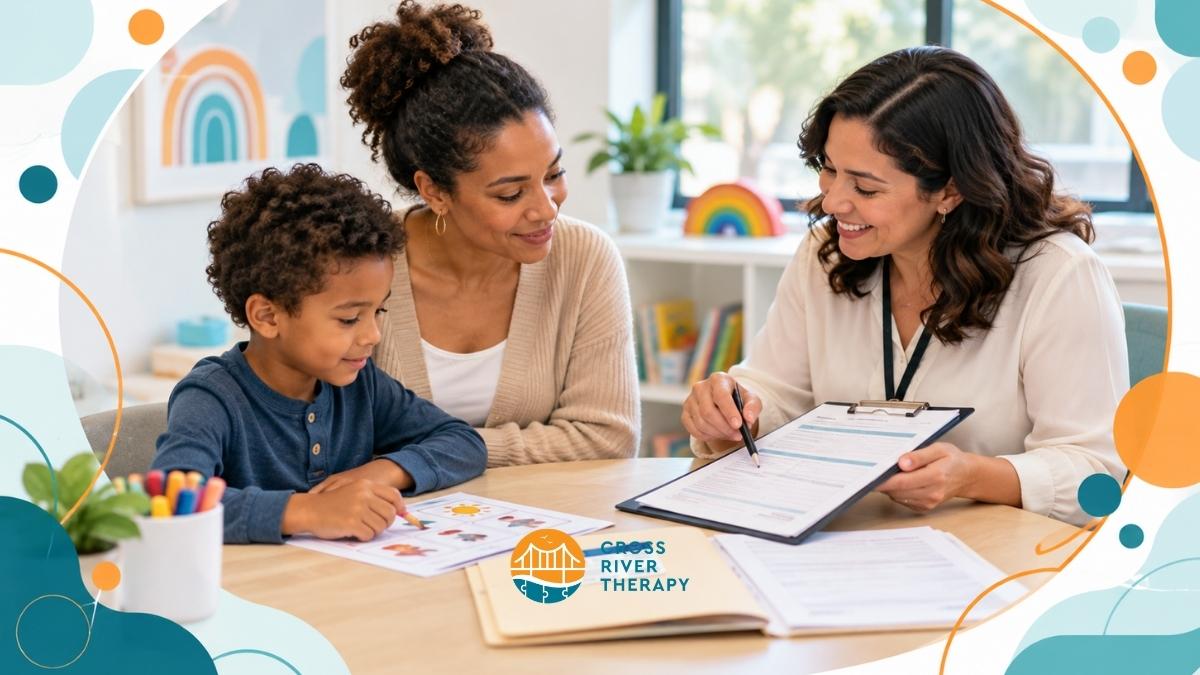
6 Arkansas Medicaid ABA Therapy Rules Families Need to Know
Arkansas Medicaid ABA therapy has age, diagnosis and approval rules. Families can check six requirements before care.
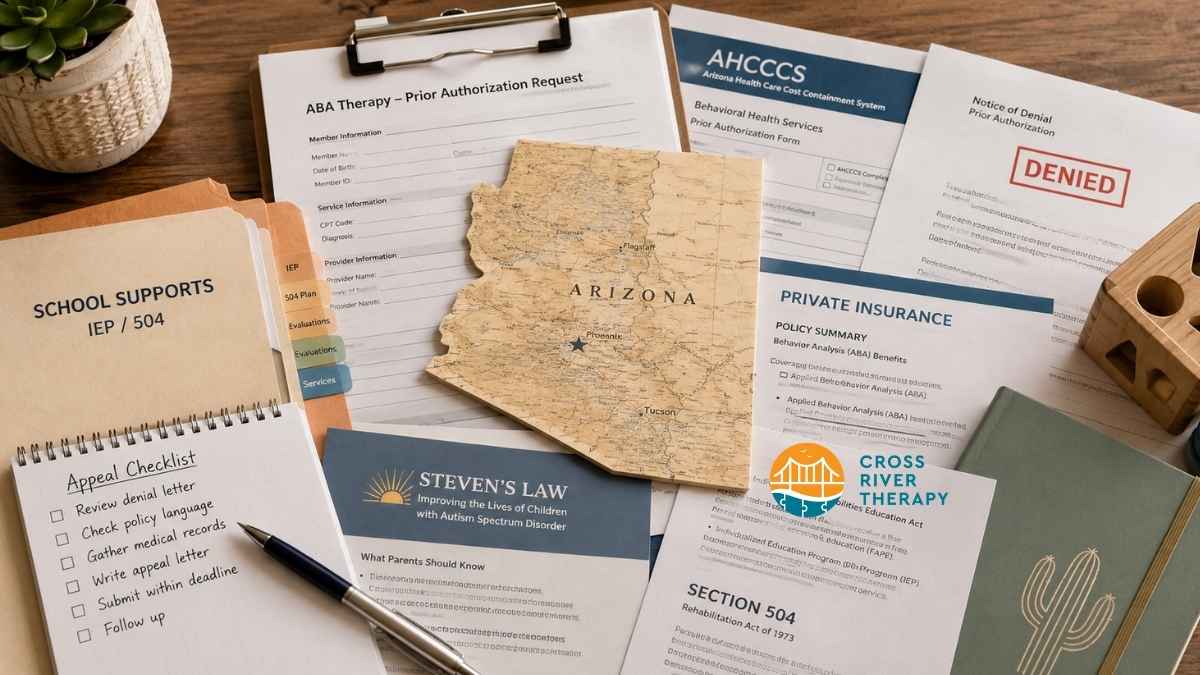
Arizona Autism Laws for ABA Coverage and School Rights
Arizona autism laws for ABA coverage vary by plan. Families can check insurance, appeal options, and school rights.

ABA Therapist Salary in Arkansas for RBTs and BCBAs
Compare ABA therapist salary in Arkansas by role. See how paid hours and benefits affect earnings before applying.

5 Autism Support Groups and Family Resources in New Mexico
Autism support groups in New Mexico connect families. Local resources offer events, parent support, and school help.
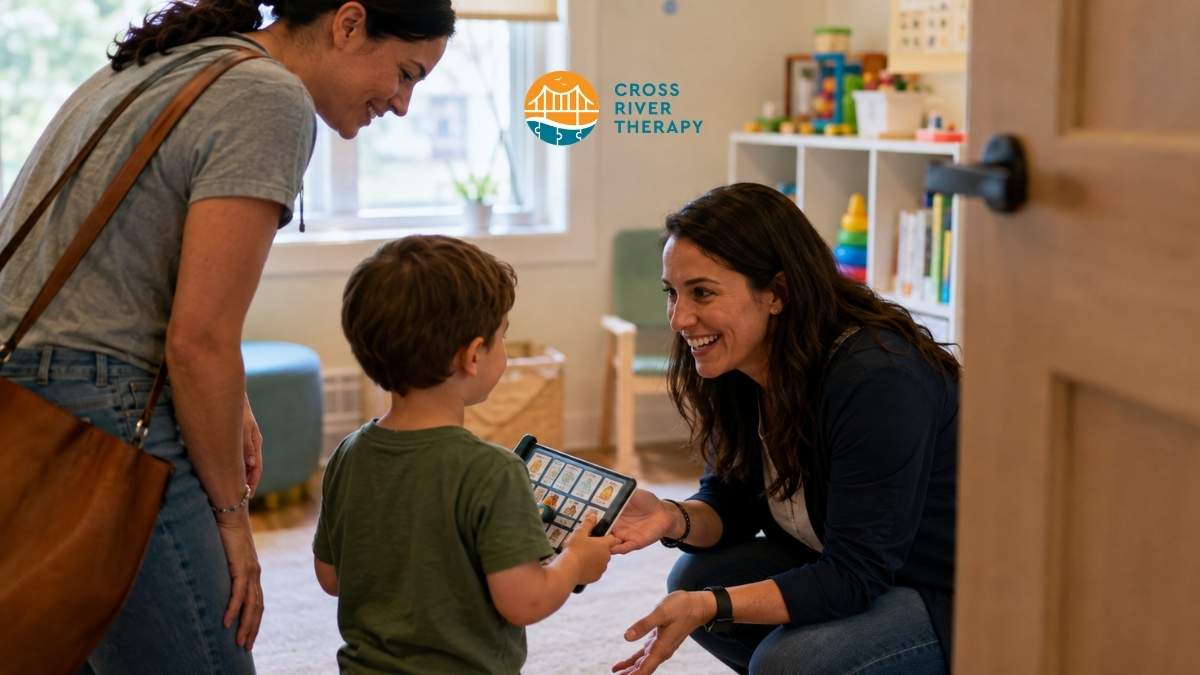
Where to Get an Autism Evaluation in New Mexico
Autism evaluation options in New Mexico include UNM and NMSU. Age and referral details help parents prepare.

7 North Carolina Autism Resources to Contact Before ABA Therapy Starts
Autism resources North Carolina families can call for diagnosis, early intervention, rights, and parent support. Start ABA intake with Cross River.
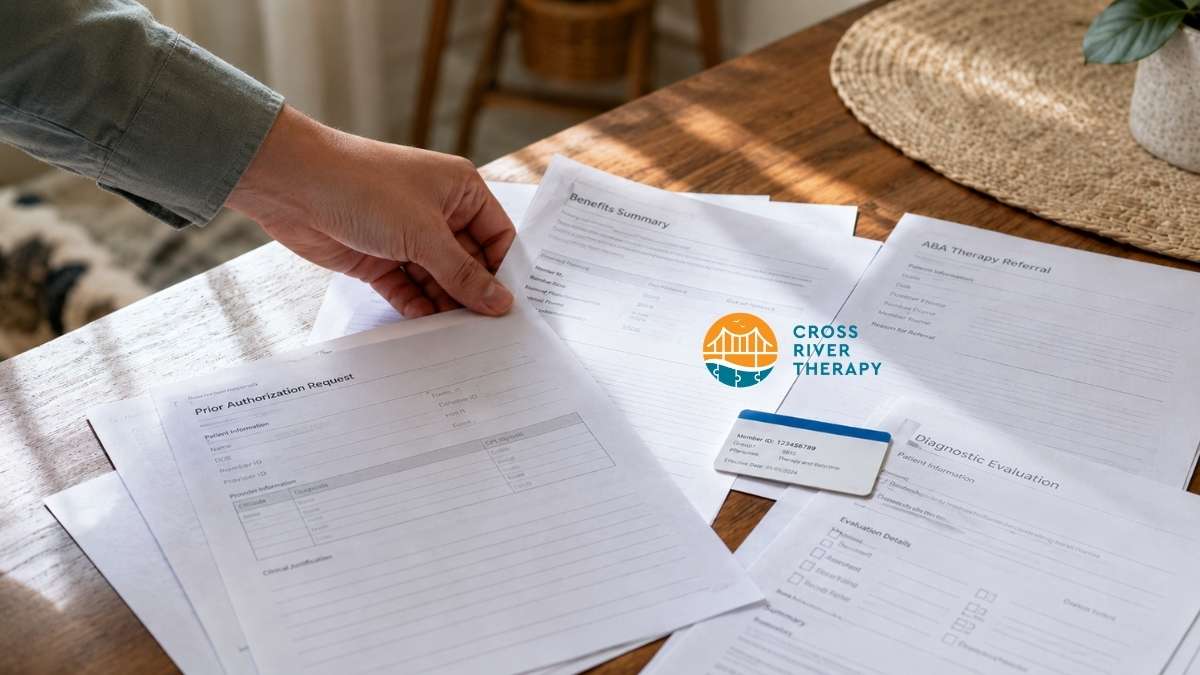
Does Indiana Medicaid Cover ABA Therapy? A Parent Checklist
Indiana Medicaid ABA therapy may cover care for eligible children. The checklist covers coaching and renewals.
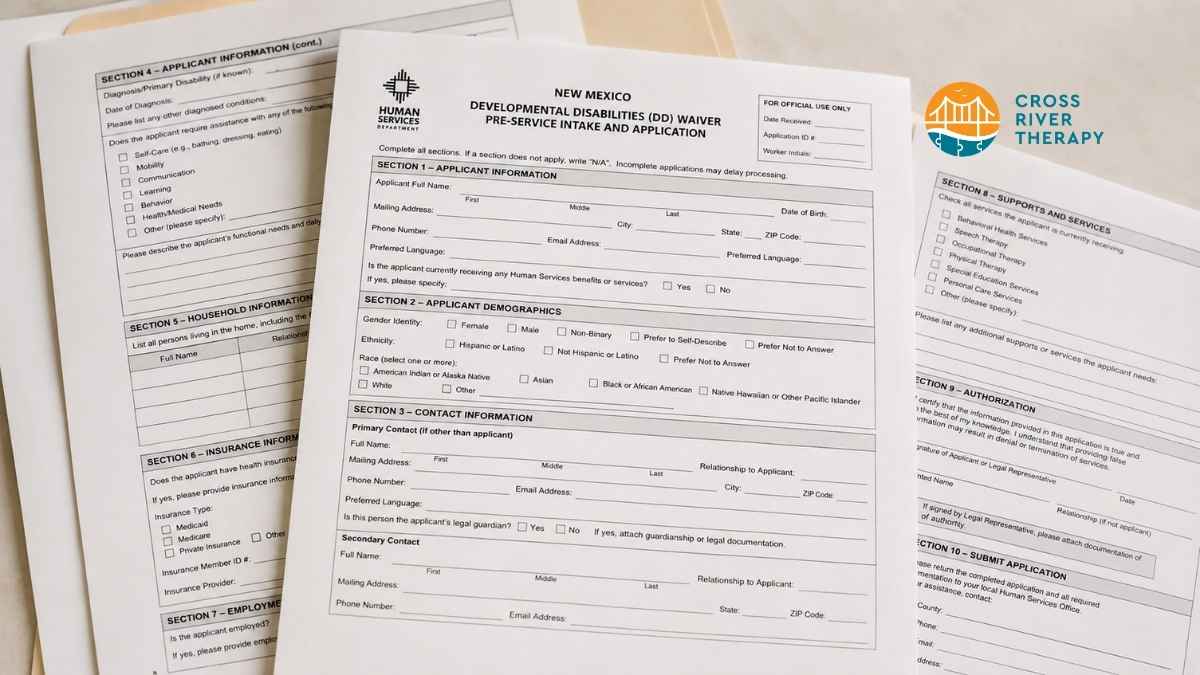
How to Apply for the New Mexico DD Waiver
Your NM DD waiver application starts with state intake. The steps cover records, submission, and enrollment.
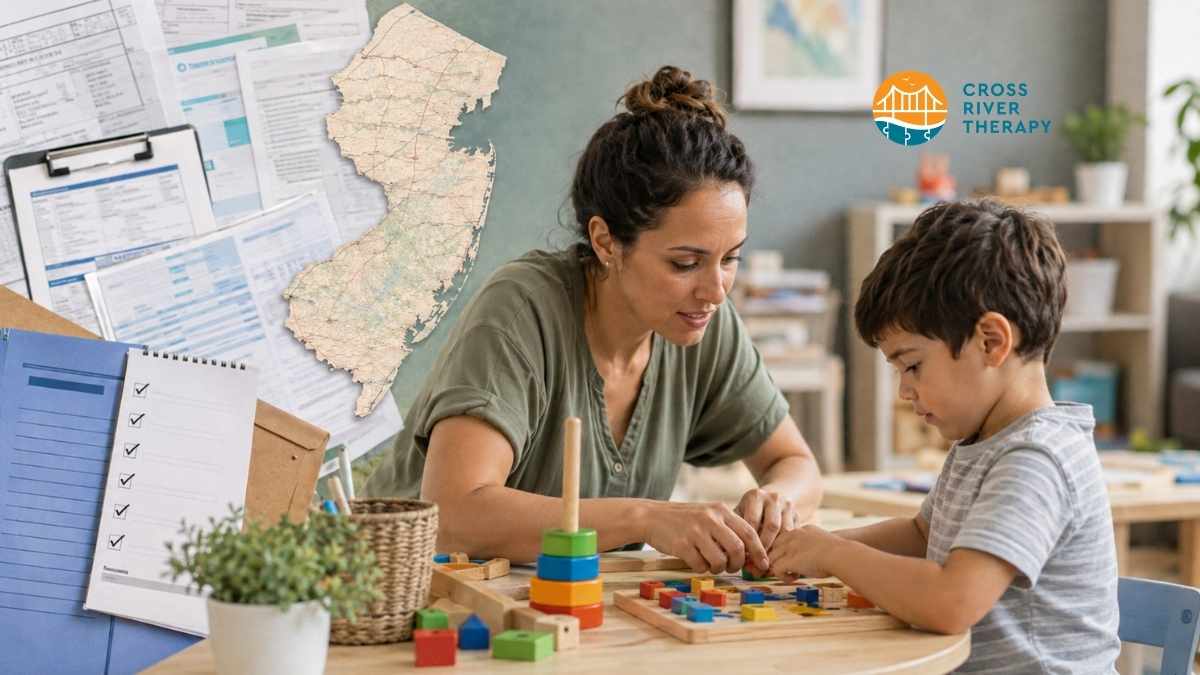
Does Insurance Cover ABA Therapy in New Jersey?
ABA therapy insurance in New Jersey varies by plan. Learn what NJ FamilyCare covers and how to check costs.

How ABA Therapy Builds Communication for Nonverbal Children Without Forcing Speech
ABA therapy communication for nonverbal children starts with AAC, signs, and daily routines. See how kids ask, refuse, choose, and get help.

How to Start ABA Therapy in New Jersey With a Checklist
Your guide explains how to start ABA therapy in New Jersey. A first-call checklist covers records and next steps.

How to Get an Autism Evaluation in Arkansas Before Starting ABA Therapy
How to get an autism evaluation in Arkansas starts with a referral, provider choice, and key records. Use this parent checklist before ABA intake.