








Why team collaboration improves ABA therapy outcomes
Enhancing Autism Support Through Unified Team Efforts


The Power of Collaboration in ABA Therapy
In the realm of autism spectrum disorder (ASD) treatment, Applied Behavior Analysis (ABA) stands out as a highly effective intervention. Central to its success is the role of team collaboration—bringing together a diverse group of professionals, parents, and caregivers—working in harmony to support the child's developmental journey. This article explores why team collaboration is essential, strategies to strengthen it, and the remarkable outcomes that can be achieved when all stakeholders unite in purpose.
Core Benefits of Team Collaboration in ABA Therapy

How does teamwork contribute to better client outcomes?
Strong collaboration among BCBAs, RBTs, parents, and other specialists is fundamental to achieving successful outcomes in ABA therapy. When these team members work cohesively, they ensure that intervention strategies are consistent and tailored to the child's needs. This unified approach fosters a supportive environment that encourages growth and progress.
Shared expertise allows team members to pool their knowledge and skills, resulting in more comprehensive and effective treatment plans. For example, BCBAs provide behavioral assessments and intervention designs, while occupational therapists address sensory and motor challenges, and parents offer valuable insights from daily routines. Combining these perspectives leads to well-rounded strategies that better support the child's development.
Furthermore, an environment of collaboration promotes trust, open communication, and mutual respect. Regular team meetings to review client data, discuss progress, and address challenges help maintain alignment and motivation. This collective effort not only accelerates child progress but also enhances team satisfaction.
In what ways does technology enhance ABA teamwork?
Incorporating technology into ABA practice significantly boosts communication efficiency and data accuracy. Tools for data collection enable real-time recording of behaviors, making it easier to monitor progress and modify interventions promptly.
Scheduling platforms streamline appointment management and coordination among team members, reducing administrative burdens and ensuring timely sessions. Communication apps facilitate ongoing dialogue between BCBAs, therapists, and parents, supporting quick problem-solving and strategy adjustments.
By leveraging technology, clinicians can dedicate more time to high-quality, data-driven care rather than administrative tasks, ultimately enriching the therapy experience for clients.
How is team success evaluated in ABA?
Regular assessment of both client progress and team dynamics is crucial. Tracking data on behavior changes, skill acquisition, and functional improvements provides objective measures of treatment effectiveness.
Simultaneously, collecting feedback from team members helps identify collaboration strengths and areas needing improvement. Addressing challenges proactively—such as miscommunications or conflicting strategies—strengthens teamwork.
Celebrating successes, whether they are client milestones or team achievements, boosts morale and motivation. This continuous feedback loop fosters a positive, goal-oriented environment focused on optimal outcomes.
Why is interdisciplinary collaboration essential?
Collaborating with professionals from different disciplines, like behavior analysts and occupational therapists, broadens the scope of treatment. While they may differ in worldview, terminology, and practices, aligning their efforts enhances client progress.
Both fields share goals such as promoting skill development, reducing barriers to learning, and improving quality of life. Respectful dialogue and understanding each discipline's contributions are vital to mutual success.
Research demonstrates that integrating ABA with services like OT leads to better management of sensory issues, motor skills, communication, and daily living skills.
What strategies support effective interdisciplinary teamwork?
Implementing decision trees, shared ethical codes, observing sessions together, and using structured communication tools help optimize collaboration. These strategies foster a common language and understanding among team members.
Co-treatment sessions, where multiple professionals collaborate in real-time, accelerate progress—sometimes nearly doubling it compared to sequential therapy.
Having shared assessment processes ensures that treatment targets are relevant and integrated, leading to more targeted and efficient interventions.
How does collaboration influence overall client progress?
Integrated efforts from multiple disciplines create a more complete picture of the child's needs and strengths. This comprehensive assessment guides tailored interventions that foster independence and skill mastery.
Teamwork also promotes consistency across environments such as home, school, and therapy sessions. When parents, teachers, and clinicians communicate effectively, strategies are reinforced more systematically.
Open dialogue and addressing challenges honestly contribute to a resilient, supportive environment centered on the child's potential.
What roles do parents play in collaborative ABA teams?
Parents are essential partners in the therapy process. Their active involvement—implementing recommendations at home, providing feedback, and participating in team meetings—reinforces learning and behavior change.
Collaborative efforts with BCBAs and therapists help create cohesive, personalized treatment plans that seamlessly transition between therapy sessions and daily routines.
Regular communication with parents builds trust and helps address concerns promptly, ensuring consistent application of strategies and promoting sustained progress.
How does multidisciplinary collaboration impact treatment outcomes?
Combining the expertise of speech therapists, occupational therapists, and ABAs results in more accurate assessments and more effective interventions. Such teamwork leads to measurable improvements in communication, motor skills, socialization, and self-care.
Research consistently supports that integrated approaches produce better progress and more durable results.
What are some strategies to enhance interdisciplinary collaboration?
Structured approaches like shared communication systems, joint observation and cotreating sessions, and decision trees foster understanding and coordination.
Regular team meetings and collaborative planning sessions ensure all members stay informed, aligned on goals, and prepared to adapt strategies.
These methods promote a unified way of working, which translates into more comprehensive care.
How does effective teamwork influence overall outcomes?
By integrating expertise from multiple fields, the team can provide holistic support tailored to each child's needs. This comprehensive approach accelerates progress, enhances independence, and improves quality of life.
Consistent, coordinated efforts across environments reinforce strategies and ensure stability in behavioral and skill development.
Open communication and proactive problem-solving create a resilient, effective team that maximizes the child's potential.
Aspect Description Impact Interdisciplinary collaboration Involves multiple disciplines working together to address diverse needs Enhances treatment comprehensiveness Use of technology Data collection, communication tools, scheduling apps Boosts efficiency and data accuracy Client progress tracking Regular review of behavioral and skill data Measures effectiveness and guides adjustments Parent involvement Active participation, home implementation, feedback Reinforces strategies and promotes generalization Co-treatment strategies Joint therapy sessions, shared planning Accelerates progress, doubles outcomes Communication systems Shared platforms, structured dialogue Maintains team cohesion and alignment
Effective collaboration in ABA therapy creates a dynamic, supportive environment that drives meaningful, lasting improvements for clients and maximizes the potential of both the individuals and the entire team.
The Crucial Role of Interdisciplinary Collaboration

How do partnerships between behavior analysts, occupational therapists, speech therapists, and educators influence client outcomes?
Effective collaboration among professionals such as BCBAs, OTs, speech therapists, and educators is foundational to delivering comprehensive care to individuals with autism spectrum disorder (ASD). These partnerships ensure that each discipline contributes its specialized knowledge towards shared goals like enhancing skill acquisition, reducing barriers to learning, and improving overall quality of life.
In practice, this multidisciplinary teamwork creates a more thorough understanding of the client's needs. It allows for the development of integrated treatment plans that are tailored to each individual. For example, while a BCBA focuses on behavior management and skill development, an occupational therapist might address sensory processing issues, and a speech therapist works on communication skills.
Regular interprofessional meetings facilitate coordinated strategies, helping avoid duplicated efforts or conflicting interventions. By combining insights from different fields, teams can better identify the most relevant targets for treatment and adapt approaches based on the client’s evolving needs.
What are the shared objectives in developing skills and removing barriers?
Both ABA specialists and occupational therapists aim for common objectives such as fostering independence, improving functional skills, and making activities of daily living more accessible. These shared goals help to guide collaborative efforts and ensure consistency across interventions.
In developing these skills, the teams focus on saving meaningful outcomes—like enabling a child to participate in self-care routines or engage socially with peers.
Removing barriers to learning involves addressing sensory sensitivities, motor challenges, or communication difficulties, thereby creating an environment where the child can thrive.
What challenges are posed by differences in terminology and worldview?
Collaboration between disciplines can be complex due to variations in terminology, diagnostic frameworks, and professional philosophies. For instance, behavior analysts might use specific language related to reinforcement strategies, whereas occupational therapists emphasize sensory integration and motor skills.
These differences can lead to misunderstandings or miscommunication if not properly managed. Professionals must invest in mutual respect and ongoing dialogue to bridge these gaps.
Strategies such as co-treating sessions, shared ethical guidelines, and structured communication tools help align practices and improve teamwork.
How does effective interdisciplinary collaboration improve treatment outcomes?
Research underscores that integrated efforts among disciplines lead to more accurate assessments and more effective, personalized intervention plans. When teams work cohesively, they can better monitor progress and adapt strategies swiftly.
Shared assessment tools help identify relevant treatment targets more precisely, while regular team meetings increase consistency and accelerate goal attainment—often by an average of 28%. Additionally, co-treatment sessions can make progress nearly twice as fast compared to sequential therapy.
How important is communication with families in a multidisciplinary approach?
Engaging parents and families is crucial to reinforcing strategies and ensuring consistency across different environments, such as home and school. When families and therapists communicate openly, they can collaboratively adjust routines and address challenges proactively.
This partnership not only enhances the child's development but also provides emotional support to families, fostering a positive, supportive atmosphere.
Examples of collaboration strategies
Strategy Purpose Benefit Regular team meetings Coordinate approaches Improved treatment consistency and faster goal achievement Shared communication platforms Keep all professionals informed Enhanced coordination and strategy reinforcement Observation and co-treatment sessions Observe team dynamics and joint implementation Better understanding of multidisciplinary interventions Ethical and procedural alignment Ensure team operates under unified standards Prevents conflicts and promotes professional respect
Impact on client progress and team satisfaction
When different professionals combine their expertise effectively, the results are evident in measurable client advancements and increased team morale. Regular review of client data and feedback from team members help identify areas for improvement and celebrate successes.
A cohesive team environment minimizes misunderstandings, enhances motivation, and ultimately leads to better outcomes for clients.
Effective collaboration also involves addressing challenges openly and proactively, ensuring that every team member feels valued and supported.
Aspect Outcome Examples Client progress Accelerated skill mastery Faster acquisition of daily living skills Team satisfaction Improved cohesiveness More positive work environment Communication Fewer misunderstandings Clearer strategies and expectations
By prioritizing interdisciplinary collaboration, professionals can deliver holistic, impactful care that profoundly benefits individuals with ASD, maximizing their potential and quality of life.
Leveraging Technology to Foster Seamless Communication
Use of data collection and scheduling tools
Technology plays a crucial role in creating effective communication channels within ABA teams. Digital data collection tools allow therapists, BCBAs, and other team members to record client progress accurately and in real-time. This immediate access to data ensures that treatment adjustments can be made promptly, maintaining high standards of care.
Scheduling applications help coordinate appointments, parent meetings, and team check-ins, reducing overlaps and missed sessions. These tools offer shared calendars and automated reminders, enhancing punctuality and preparedness.
Streamlining workflows to reduce administrative burdens
Handling administrative tasks can divert clinicians' focus from direct client care. Using integrated platforms for documentation, billing, and progress reports simplifies these routines. Automation features help in generating reports, managing documentation, and tracking treatment milestones.
By decreasing the time spent on paperwork, clinicians can allocate more energy to designing and delivering personalized interventions, ultimately benefiting client outcomes.
Enhancing team communication through digital platforms
Consistent, open communication is vital for effective ABA practice. Digital communication platforms—such as secure messaging apps, video conferencing, and shared document repositories—enable team members to exchange information effortlessly.
Regular virtual meetings foster collaboration among BCBAs, RBTs, occupational therapists, speech therapists, and parents. These exchanges help clarify goals, discuss challenges, and celebrate successes, creating a cohesive care environment.
Shared online spaces also facilitate rapid dissemination of updates and strategies, ensuring everyone remains aligned.
Why is collaboration important in ABA therapy?
Collaboration is fundamental in ABA because it unites diverse expertise and perspectives. When BCBAs, ABA therapists, parents, teachers, and other specialists work together, they develop comprehensive treatment strategies tailored to the child's needs.
This coordinated effort promotes consistency across environments, which is crucial for behavioral generalization. It also enables early problem identification and flexible adjustments to interventions, optimizing progress.
Active parental involvement, including the use of technology-based tools for monitoring and reinforcing behaviors at home, supports sustained development. Additionally, collaboration fosters a supportive atmosphere where team members share insights, troubleshoot challenges, and celebrate milestones.
Ultimately, integrating technology enhances this teamwork by making communication more efficient, data more accessible, and collaborative decision-making more streamlined.
Aspect Benefits Examples Data collection Accurate, real-time progress monitoring Mobile apps, cloud-based databases Scheduling Efficient appointment management Shared calendars, automated reminders Communication Quick, secure information exchange Messaging apps, video calls Workflow management Reduced administrative load Automated reports, documentation platforms Team collaboration Enhanced coordination and shared understanding Virtual team meetings, online collaborative tools
The future of collaboration in ABA teams
As technology advances, tools such as artificial intelligence and machine learning are beginning to personalize interventions further. These innovations can analyze large volumes of data to suggest adjustments or flag concerns.
Enhanced digital platforms are also expected to integrate more seamlessly with other healthcare systems, promoting holistic care approaches. Such progress ensures that ABA teams can deliver more precise, flexible, and impactful support for individuals with ASD.
In conclusion, leveraging modern technology not only streamlines workflows but also strengthens collaboration among all team members. This synergy leads to better-informed decisions, more consistent therapy, and ultimately, improved client outcomes.
Evaluating Team Success and Client Progress

Why is regular review of data and client progress important?
Tracking client outcomes through consistent data collection is fundamental in ABA practice. It allows clinicians, parents, and the entire team to see tangible progress, identify areas needing adjustment, and verify if current strategies are effective.
By reviewing data regularly, teams can make informed decisions about continuing, modifying, or ceasing particular interventions. This ongoing assessment ensures that services remain tailored and responsive to the changing needs of each individual.
Furthermore, concrete data helps demonstrate progress to families and stakeholders, fostering trust and engagement. It also provides motivation by highlighting achievements, no matter how small, encouraging sustained effort and commitment.
How do teams gather feedback from members?
Team satisfaction plays a crucial role in delivering quality care. Regular feedback from BCBAs, RBTs, specialists, and parents helps identify strengths and areas for improvement within the team.
Structured meetings, surveys, and informal check-ins create opportunities for team members to share their perspectives on treatment effectiveness and workplace dynamics. Encouraging open dialogue ensures that concerns are addressed early, preventing miscommunications and conflicts.
Sharing success stories and acknowledging individual contributions can also boost morale and reinforce collaborative spirit. A positive team environment translates into better client outcomes and a more cohesive service approach.
How are challenges addressed proactively, and why are achievements celebrated?
Proactive approaches involve routinely reviewing data and feedback to anticipate potential issues. When challenges emerge, open communication allows teams to brainstorm solutions collaboratively, adjusting interventions or communication strategies as needed.
Celebrating successes, whether reaching a developmental milestone or improving a behavior, boosts motivation and fosters a growth-oriented mindset. Recognition affirms the effectiveness of collaborative efforts and encourages continued dedication.
This balanced focus on addressing difficulties and celebrating wins helps maintain a supportive atmosphere that benefits clients and team members alike. It cultivates resilience and a clear vision towards shared goals.
How does interdisciplinary collaboration enhance client outcomes?
Integrating diverse expertise—such as behavior analysis, occupational therapy, speech therapy, and others—creates a comprehensive approach. Regular interdisciplinary assessments ensure that treatment targets are relevant and holistic.
Models like decision trees and structured communication tools make collaboration more efficient, helping teams to coordinate strategies effectively and avoid overlaps or gaps. Co-treatment sessions, where multiple professionals work simultaneously, have proven to accelerate progress, sometimes nearly doubling the speed of improvement.
By combining insights from various disciplines, teams craft more effective assessment and intervention plans, addressing multiple facets of a child's development, such as social skills, motor abilities, and sensory processing.
How does ongoing communication support cohesive teamwork?
Open, consistent communication between all team members is vital. Regular meetings and shared documentation enable everyone to stay updated on progress, challenges, and adjustments.
Parents contribute valuable insights from daily routines, making strategies more applicable and sustainable. Their involvement, along with consistent feedback to therapists, enhances the child's learning environment across settings, including home and school.
Transparent dialogue helps clarify misconceptions, aligns goals, and fosters mutual respect, which is essential for a unified approach.
What strategies can optimize interdisciplinary collaboration?
Effective collaboration can be supported by several strategies:
Strategy Description Benefits Decision trees and protocols Clear, step-by-step processes for joint decision-making Consistent, evidence-based interventions Shared ethical codes Mutual understanding of professional responsibilities and standards Builds trust and accountability Observing and cotreating Allowing professionals to observe each other's sessions to understand approaches and collaborate better Enhances mutual understanding and consistency Structured communication tools Tools like progress notes, shared software, and regular meetings Keeps everyone informed and aligned
By employing these methods, teams foster a collaborative environment that maximizes client growth.
Final insights
Regular evaluation of treatment progress and team satisfaction fosters a culture of continuous improvement. Using data to guide decisions, actively gathering feedback, and celebrating successes contribute to a dynamic, effective team.
Integrating expertise through well-structured collaboration not only improves assessment accuracy but leads to faster, more meaningful client progress. Ultimately, strong teamwork is essential for achieving the best possible outcomes for individuals with ASD.
Aspect Impact Examples Data review Ensures effective, tailored interventions Progress charts, behavioral analysis reports Feedback collection Improves team cohesion and morale Surveys, team meetings Recognizing achievements Motivates ongoing effort Celebrating milestones, positive reinforcement Interdisciplinary collaboration Enhances comprehensive care Co-treatment sessions, coordinated assessments Communication strategies Promotes clarity and consistency Shared notes, regular updates
Building on these practices ensures continuous growth of both client skills and team capabilities.
Strategies for Strengthening Teamwork in ABA Settings

Why is collaboration important in ABA therapy?
Collaboration plays a vital role in ABA therapy because it brings together different professionals, caregivers, and educators to form a comprehensive support network for the child. When BCBAs, ABA therapists, parents, teachers, pediatricians, and other specialists work cohesively, they can develop and implement consistent strategies tailored to the child's needs.
A collaborative approach ensures that interventions are reinforced across various environments, whether at home, school, or in therapy sessions. This consistency fosters better learning, behavior change, and skill development.
Parents' active involvement is another critical element. When they receive training on reinforcement strategies and involved in the therapeutic process, they help generalize positive behaviors outside clinical settings. This ongoing partnership creates a supportive environment that promotes lasting progress.
Effective collaboration also enhances problem-solving. When team members regularly share observations and insights, they can adjust goals and strategies promptly. It encourages a shared understanding and unified effort to meet the child's evolving needs.
Furthermore, multidisciplinary cooperation allows for a more accurate assessment of challenges and opportunities. By combining expertise from different fields, the team can develop holistic, efficient plans that target essential skills and behaviors.
In summary, team-based collaboration maximizes the benefits of ABA therapy by ensuring consistency, fostering open communication, and promoting the child's overall development. It helps create an environment where the child can thrive, learn, and achieve meaningful progress.
Involving Families to Enhance Therapy Outcomes
How does collaboration between an RBT and a BCBA enhance the effectiveness of a treatment plan?
The partnership between a Registered Behavior Technician (RBT) and a Board Certified Behavior Analyst (BCBA) forms the foundation of successful ABA therapy. When they work together effectively, treatment plans become more tailored, consistent, and impactful.
The BCBA’s role is to design and oversee evidence-based interventions, ensuring strategies are grounded in research and tailored to the individual’s needs. This professional provides guidance, supervision, and ongoing assessment of the treatment plan.
Meanwhile, the RBT is responsible for implementing these strategies consistently and accurately during daily sessions. Their hands-on work involves collecting data, observing behaviors, and executing plans with fidelity.
This collaboration is vital because it guarantees real-time feedback and adjustments. When BCBAs review data collected by RBTs, they can fine-tune interventions promptly, ensuring the client benefits from the most effective strategies.
Regular communication fosters clarity, reduces misunderstandings, and ensures everyone on the team shares a unified approach. This coordination not only accelerates behavioral progress but also builds a positive, trusting environment for the client.
Overall, when BCBAs and RBTs collaborate closely, with clear roles and shared goals, treatment outcomes improve significantly. The combined expertise and consistent implementation create a seamless experience that supports meaningful and lasting change.
The importance of family involvement in ABA
Family participation plays a crucial role in the success of ABA therapy. Engaging parents and caregivers in treatment planning ensures strategies are reinforced across all environments, not just during therapy sessions.
Effective collaboration involves regular communication, where families receive updates on progress, participate in goal setting, and learn how to implement strategies at home. This creates consistency, which is vital for generalizing skills and behaviors beyond the clinical setting.
Parents can carry out recommendations at home, provide valuable feedback, and help troubleshoot challenges. Their involvement helps tailor interventions to fit the child's daily routines and preferences, making therapy more practical and sustainable.
Reinforcing strategies at home and school
The effectiveness of ABA intensifies when strategies learned during therapy are practiced consistently in natural settings.
Caregivers and teachers are key in reinforcing positive behaviors and skill acquisition. Regular routines, prompt responses, and continued encouragement at home or school strengthen the progress made during sessions.
Sharing observations and documenting behaviors across environments allow BCBAs to adjust treatment plans accordingly. Additionally, involving family members in co-treatment sessions fosters a collaborative atmosphere and promotes a unified approach.
Open dialogue about successes and challenges ensures everyone remains aligned and focused on the child's development.
Creating a cohesive and supportive environment
When families, therapists, and educators work together, they create a cohesive network that supports the child's growth. Clear communication, regular check-ins, and mutual respect foster an environment where children can thrive.
Research consistently shows that active family involvement enhances treatment outcomes. It helps in maintaining gains over time, reduces problematic behaviors, and improves quality of life.
In sum, involving families in every phase of therapy—from planning and implementation to daily reinforcement—maximizes the effectiveness of interventions. This collaborative approach ensures that children with ASD receive consistent, personalized, and comprehensive support across all aspects of their lives.
Conclusion: Building a Collaborative Future for Improved Outcomes
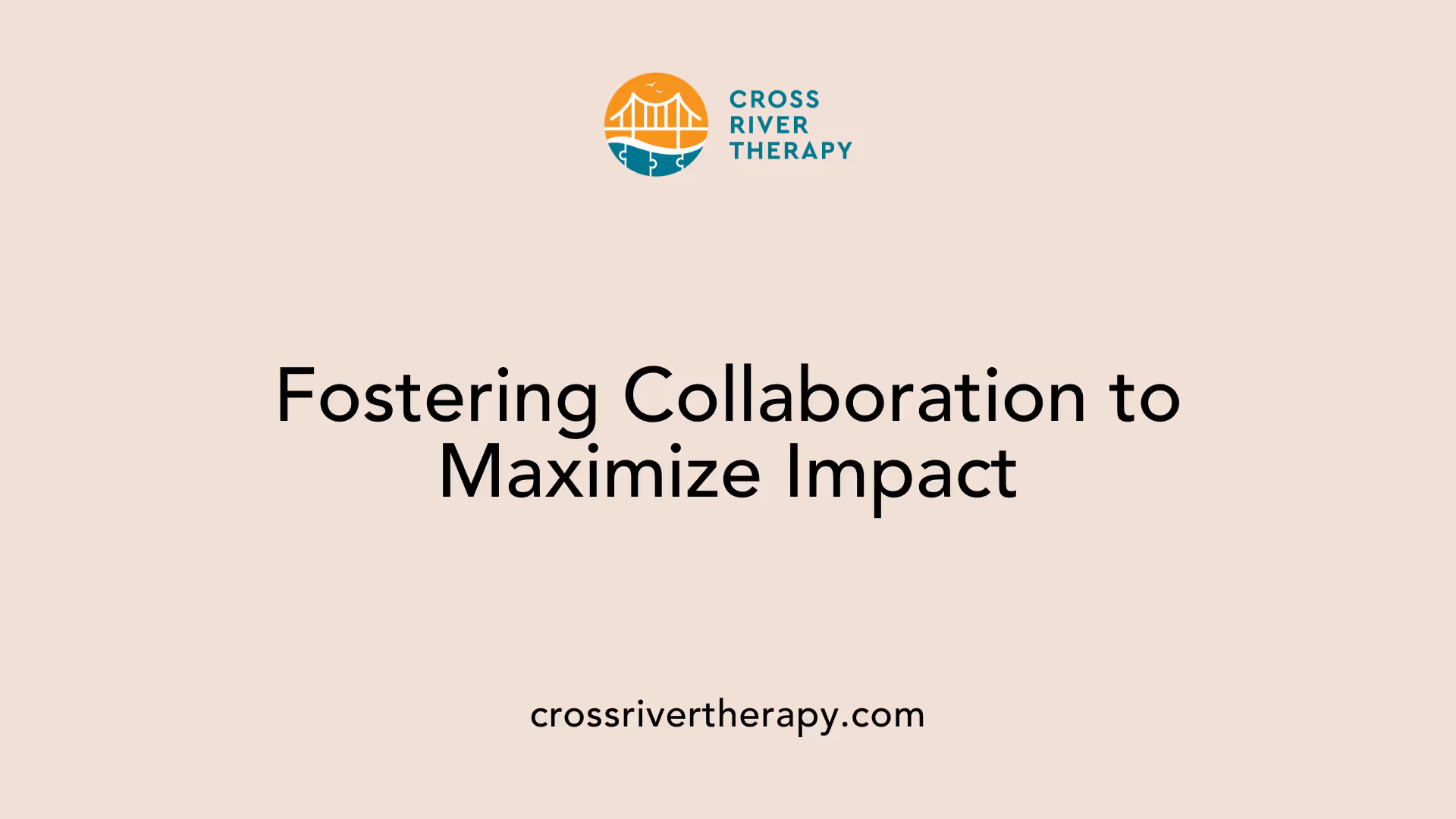
Why is collaboration important in ABA therapy?
Collaborating effectively among professionals and families forms the cornerstone of successful ABA therapy. When BCBAs, RBTs, parents, occupational therapists, speech therapists, and other specialists work together seamlessly, they create an environment where consistent strategies are applied, and shared expertise benefits the child.
This teamwork ensures that interventions are comprehensive and tailored to each child's unique needs. For example, BCBAs develop treatment plans based on data, while occupational therapists address sensory and motor challenges, and speech therapists enhance communication skills. Sharing insights across disciplines helps to identify the most relevant areas for growth, streamline interventions, and track progress accurately.
Equally important is the active participation of parents and caregivers. Training parents to carry out ABA strategies at home and involving them in therapy sessions help reinforce learned behaviors and promote generalization across various settings. This holistic approach maximizes the potential for lasting change.
How does team effort influence therapeutic success?
Teams that regularly meet to review client data and discuss progress tend to see more significant improvements. These reviews ensure that interventions are effective and that any challenges are addressed promptly. Celebrating milestones, as well as recognizing setbacks, fosters motivation and strengthens collaboration.
Research indicates that integrated team approaches accelerate progress—co-treatment sessions, where multiple therapists work together, can lead to twice the rate of improvement compared to sequential therapy. Similarly, structured communication tools and shared process models help maintain alignment, reduce miscommunication, and ensure consistency.
Furthermore, collaboration enhances comprehensive assessment, allowing multiple professionals to identify a more extensive range of treatment targets. This leads to more effective, personalized interventions that drive better outcomes and promote social, behavioral, and functional improvements.
Call to action for continuous collaboration and professional development
Looking ahead, the future of ABA therapy lies in strengthening interdisciplinary relationships. Ongoing professional development should focus on understanding each discipline’s principles, terminologies, and best practices. Addressing misconceptions and fostering mutual respect are essential components of this effort.
Utilizing decision trees, shared ethical standards, observation-based cotreatment, and structured communication systems can further facilitate collaboration. These strategies not only streamline workflow but also reinforce team cohesion.
Encouraging families to participate actively and ensuring open lines of communication creates a consistent, supportive environment that enhances therapy effectiveness. Regular multidisciplinary meetings, joint assessment sessions, and integrated treatment planning should become standard practice.
Ultimately, embracing a collaborative mindset will lead to more accurate assessments, tailored interventions, and sustained progress. It will also improve the overall quality of life for individuals with Autism Spectrum Disorder by promoting independence and meaningful participation in daily activities.
As the field advances, continuous learning and collaboration among professionals will be crucial. By building strong, integrated teams, we can unlock the full potential of each child and foster a future where teamwork translates into meaningful, lasting outcomes for those we serve.
Fostering Ongoing Collaboration for Better Outcomes
The journey toward improving ABA therapy outcomes is rooted in unwavering collaboration among all team members. When BCBAs, RBTs, speech therapists, occupational therapists, educators, and families work together, they create a synergistic environment where strategies are consistent, data is shared transparently, and the child's needs are prioritized holistically. Leveraging technological tools enhances communication efficiency, while regular evaluations and structured team strategies ensure continuous progress. By embracing these collaborative models and addressing potential challenges with mutual respect and understanding, professionals and families can propel positive change and foster meaningful development for children with ASD. Commitment to ongoing teamwork and professional growth will ultimately transform ABA therapy into an even more effective and empowering process.
References
- ABA Teamwork: Boost Outcomes with Collaboration - Alpaca Health
- Collaboration between Behavior Analysts and Occupational ...
- Collaborating with ABA Therapists: A Guide for Parents ... - Able Kids
- How Collaboration Between Therapists Improves Outcomes for Kids
- The Collaborative Approach: Behind the Scenes of ABA Therapy
- Circle Care Services named ABA Therapy Company of the Year
- Using Discriminative Stimulus in ABA Therapy - Circle Care Services
Recent News
Related articles
6 Arkansas Medicaid ABA Therapy Rules Families Need to Know
Arkansas Medicaid ABA therapy has age, diagnosis and approval rules. Families can check six requirements before care.
Arizona Autism Laws Every Parent Should Know Before Starting ABA Therapy
Autism laws Arizona parents should know cover ABA insurance, AHCCCS appeals, IEPs, and Section 504 rights. Check ABA coverage with Cross River.

ABA Therapist Salary in Arkansas: What BCBAs and RBTs Actually Earn in 2026
ABA therapist salary Arkansas figures compare RBT and BCBA rates, benefits, guaranteed hours, and contract terms. Explore careers at Cross River.

5 Autism Support Groups and Family Resources in New Mexico Alongside ABA Therapy
Autism support groups New Mexico families can use offer peer support, local events, and school help. Cross River can explain ABA therapy options.

Where to Get an Autism Evaluation in New Mexico Before Starting ABA Therapy
Autism evaluation New Mexico options include UNM, NMSU, FIT, and private providers. Compare providers, records, and ABA steps with Cross River.

7 North Carolina Autism Resources to Contact Before ABA Therapy Starts
Autism resources North Carolina families can call for diagnosis, early intervention, rights, and parent support. Start ABA intake with Cross River.

Does Indiana Medicaid Cover ABA Therapy? A Step-by-Step Eligibility Checklist for Parents
Medicaid ABA therapy Indiana covers eligible children under 21 with prior authorization. Your five-step coverage review can start with Cross River.

How to Apply for New Mexico’s DD Waiver While Starting ABA Therapy
Autism waiver New Mexico applications need DD Waiver records and proof of daily support needs. Your next step is to start ABA intake with Cross River.

Is ABA Therapy Covered by Insurance in New Jersey? What Every Parent Should Know
ABA therapy insurance New Jersey may cover medically necessary care based on plan type, network, and authorization. Verify benefits with Cross River.

How ABA Therapy Builds Communication for Nonverbal Children Without Forcing Speech
ABA therapy communication for nonverbal children starts with AAC, signs, and daily routines. See how kids ask, refuse, choose, and get help.

How to Start ABA Therapy in New Jersey With a First-Call Checklist
How to start ABA therapy in New Jersey begins with records, insurance details, and intake questions. Use this first-call checklist before you call.

How to Get an Autism Evaluation in Arkansas Before Starting ABA Therapy
How to get an autism evaluation in Arkansas starts with a referral, provider choice, and key records. Use this parent checklist before ABA intake.