








31 Hearing Loss Statistics, Facts & Prevalence
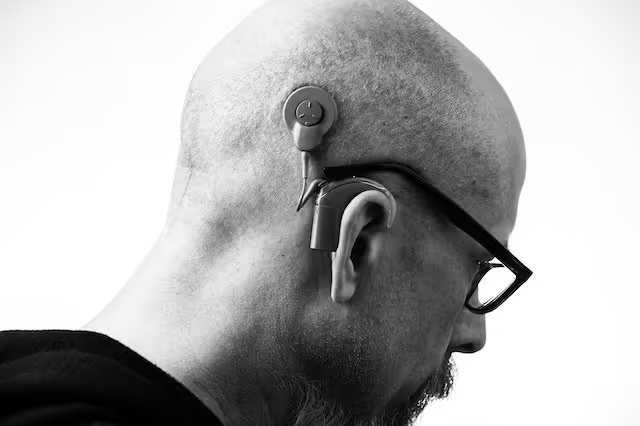
New hearing loss statistics show that around 2 to 3 out of every 1,000 children in the United States are born with hearing loss.

Hearing Loss Statistics & Facts
The following deafness prevalence statistics provide a more detailed picture of the prevalence and impact of hearing loss:
- There are 48 million Americans with hearing loss as of 2023.
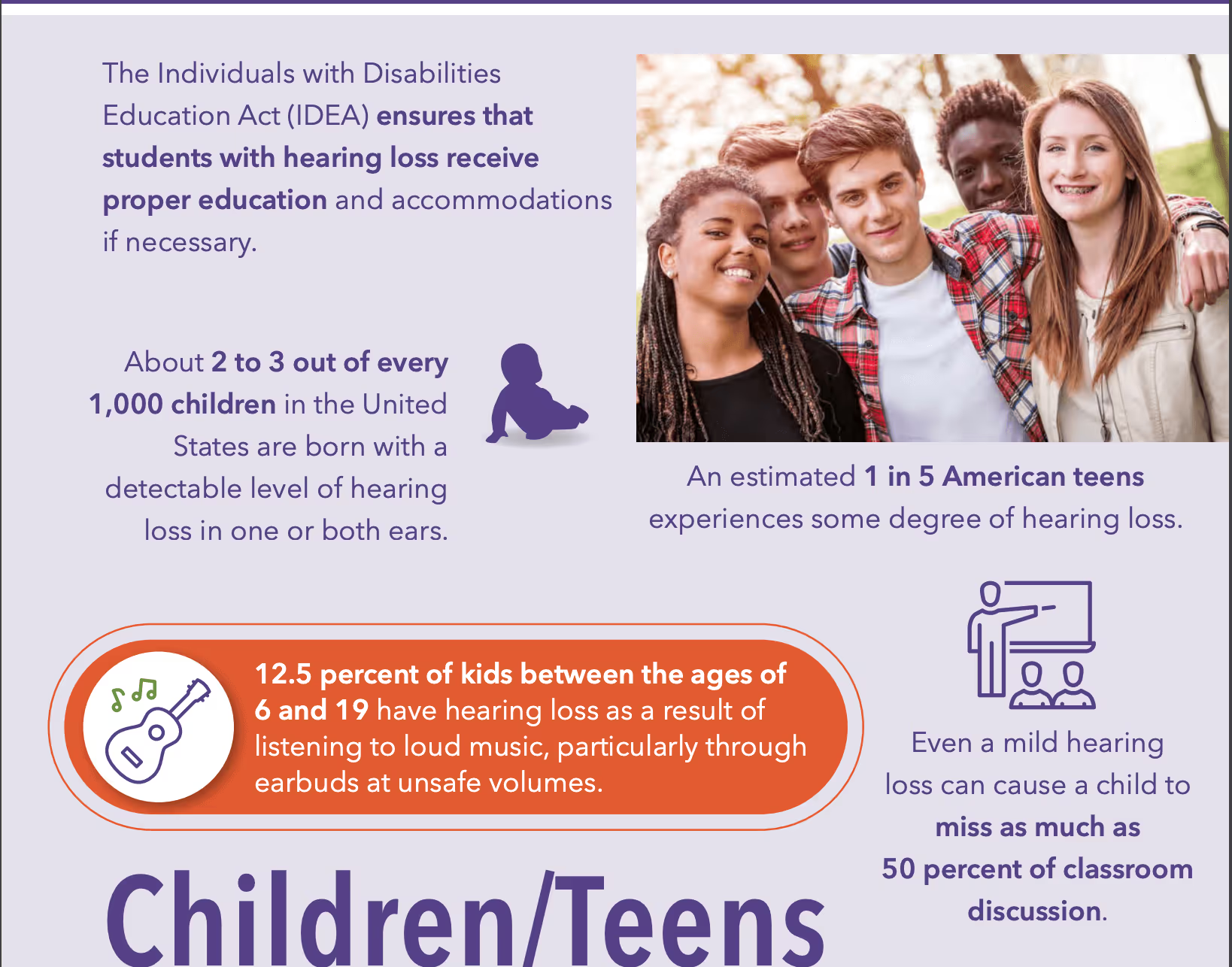
- Around 2 to 3 out of every 1,000 children in the United States are born with a detectable level of hearing loss in one or both ears.
- Around 15% of American adults (37.5 million) aged 18 and over report some trouble hearing.
- Over 30% of people between the ages of 65 and 74 live with hearing loss.
- More than 50% of older adults above 75 face hearing-related challenges.
- About 2% of adults aged 45 to 54 have disabling hearing loss.
- More than 90% of deaf children are born to hearing parents.
- Men are almost twice as likely as women to have hearing loss among adults aged 20-69.
- Among adults aged 20-69, the overall annual prevalence of hearing loss dropped slightly from 16% (28.0 million) in the 1999-2004 period to 14% (27.7 million) in the 2011–2012 period.
- Age is the strongest predictor of hearing loss among adults aged 20-69, with the greatest amount of hearing loss in the 60 to 69 age group.
- Non-Hispanic black adults have the lowest prevalence of hearing loss among adults aged 20-69.
- Around 28.8 million U.S. adults could benefit from using hearing aids.
- Nearly 25% of those aged 65 to 74 and 50% of those who are 75 and older have disabling hearing loss.
- Non-Hispanic white adults are more likely than adults in other racial/ethnic groups to have hearing loss.
- 1 in 8 people in the U.S. (13%, or 30 million) aged 12 years or older has hearing loss in both ears, based on standard hearing examinations.
- Around 2% of adults aged 45 to 54 and 8.5% of adults aged 55 to 64 have disabling hearing loss.
- As of December 2019, around 736,900 cochlear implants have been implanted worldwide.
- Around 10% of the U.S. adult population, or around 25 million Americans, has experienced tinnitus lasting at least 5 minutes in the past year.
- Among adults aged 70 and older with hearing loss who could benefit from hearing aids, fewer than one in three (30%) has ever used them. Even fewer adults aged 20 to 69 (around 16%) who could benefit from wearing hearing aids have ever used them.
- In the United States, around 118,100 devices have been implanted in adults and 65,000 in children.
- 5 out of 6 children experience ear infection by the time they are 3 years old.
How Many Americans Have Hearing Loss?
According to recent hearing impairment statistics, 48 million Americans have hearing loss.

The Hearing Loss Association of America (HLAA) is the nation's leading organization representing the 48 million Americans with hearing loss.
What Percentage Of People Are Deaf?
Around 2 to 3 out of every 1,000 children, so 0.002% of the population in the United States are born with hearing loss. Around 50 million Americans experience tinnitus (ringing in the ears) and 90% of those individuals also have hearing loss.
What Percentage of The Population Aged 65 and Older Experience Hearing Loss?
Over 30% of people between the ages of 65 and 74 live with hearing loss, while more than 50% of older adults above 75 face hearing-related challenges.
What Percentage of Adults Over the Age of 50 Have Hearing Loss?
About 2 percent of adults aged 45 to 54 have disabling hearing loss. The rate increases to 8.5 percent for adults aged 55 to 64.
What Percentage of Deaf Children Are Born to Hearing Parents?
More than 90 percent of deaf children are born to hearing parents.
Average Age Of Hearing Loss
Age is the strongest predictor of hearing loss among adults aged 20-69.
Average Salary Of Individuals With Hearing Loss
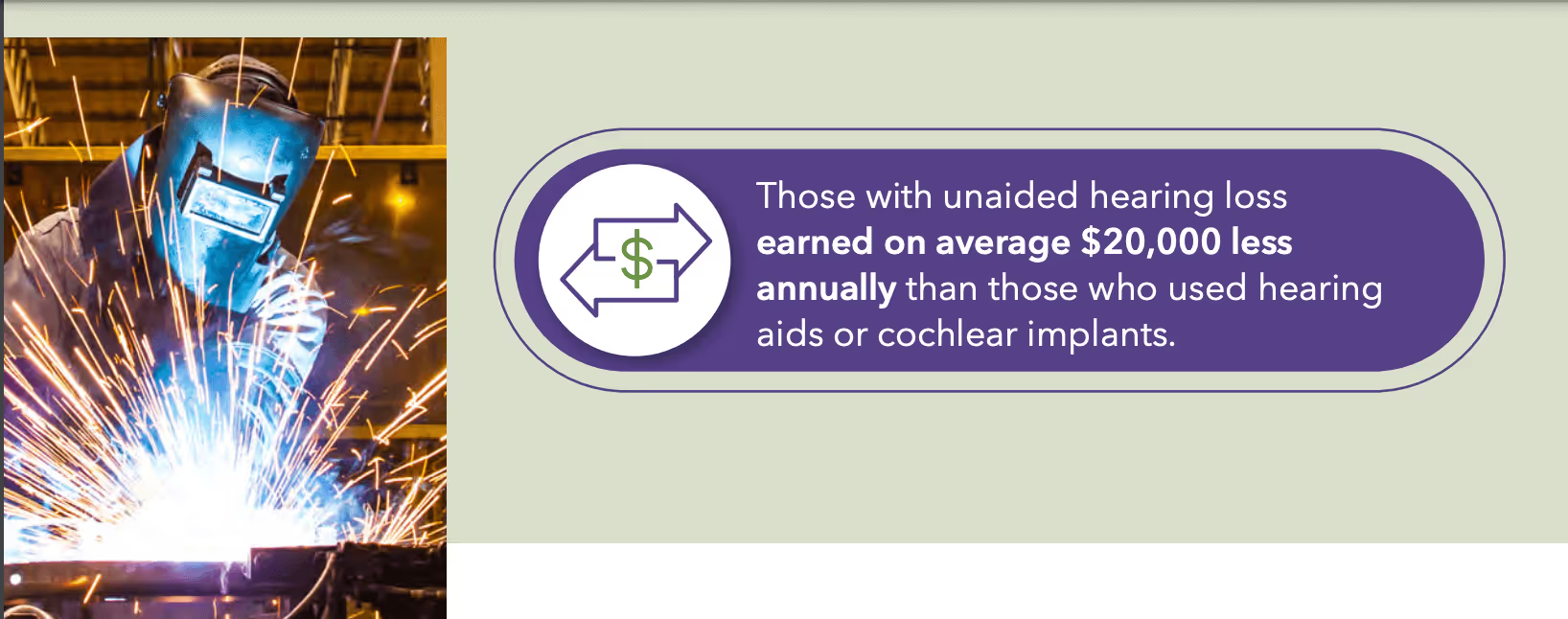
Those with unaided hearing loss earned on average $20,000 less annually than those who used hearing aids or cochlear implants.
Hearing Loss Among Veterans Statistics
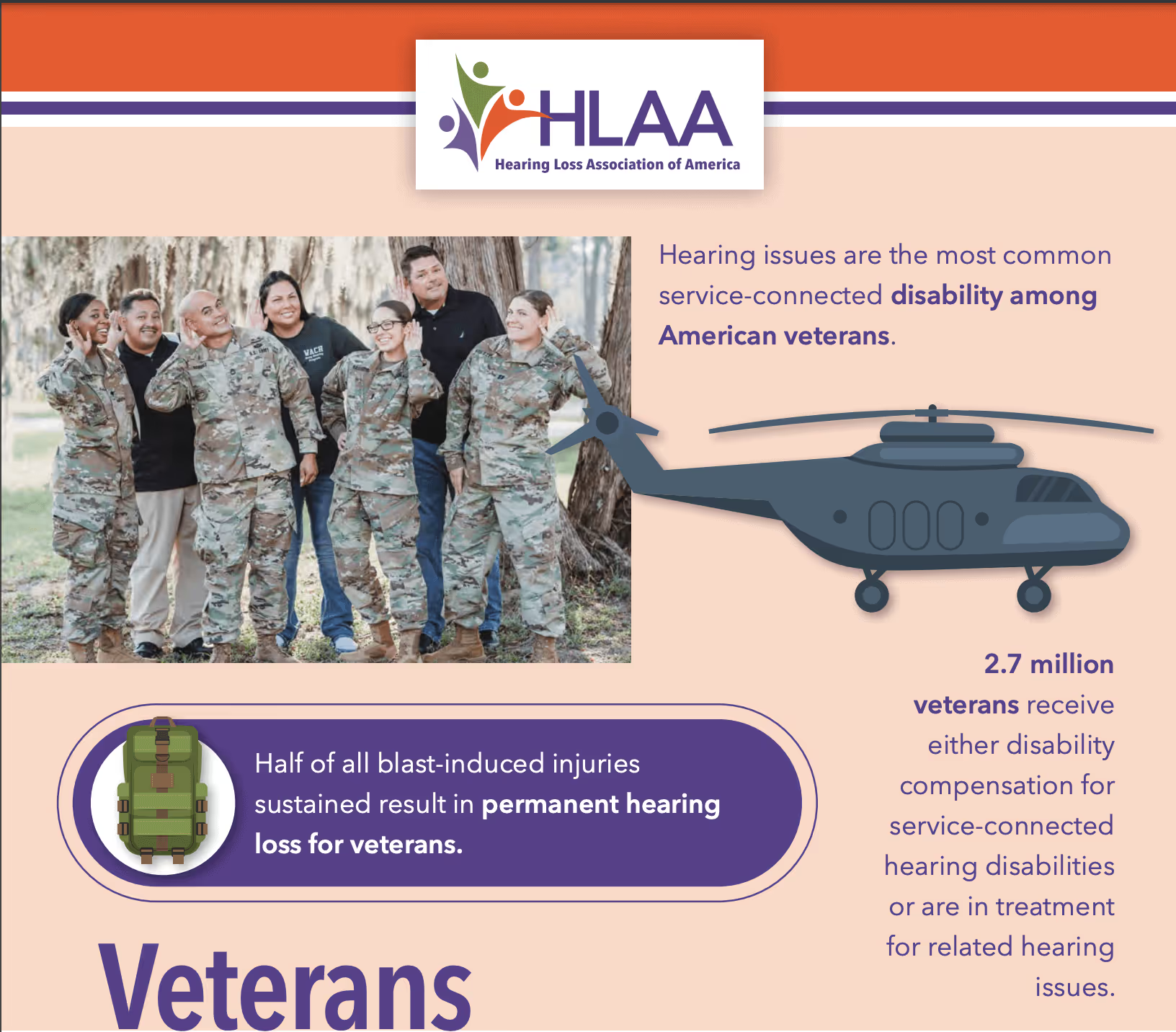
- Hearing issues are the most common service-connected disability among American veterans.
- There are 2.7 million veterans that receive either disability compensation for service-connected hearing disabilities or are in treatment for related hearing issues.
- 50% of all blast-induced injuries sustained result in permanent hearing loss for veterans.
Hearing Loss Impact Facts
Hearing loss can have a significant impact on an individual's quality of life. In addition to making it difficult to communicate with others, hearing loss can lead to social isolation, depression, and cognitive decline. It can also impact an individual's ability to work and earn a living.
Fortunately, there are steps that individuals can take to reduce their risk of hearing loss and manage the effects of hearing loss. This may include wearing ear protection in loud environments, seeking prompt treatment for ear infections and other medical conditions, and using hearing aids or other assistive devices.
How Many Americans Are Exposed To Hazardous Noise At Work?
Around 22 million Americans, or around 22 percent, are exposed to hazardous noise levels in the workplace.

Hearing Aid Statistics
Almost 29 million adults in the U.S. could benefit from using hearing aids.
In 2019, 7.1% of U.S. adults ages 45 and over used a hearing aid, including 8.9% of men and 5.4% of women.
Of the Forbes Health survey's 500 respondents with hearing loss, 58% report wearing hearing aids.
Only 1 in 5 people who would benefit from a hearing aid actually uses one.
FAQs
How many Americans have hearing loss?
There are 48 million Americans who have hearing loss.
What is the most common cause of hearing loss?
The most common cause of hearing loss is exposure to loud noise. This can include listening to music at a high volume, working in noisy environments, and using power tools without ear protection.
Can children develop hearing loss later in life?
Yes, children can develop hearing loss later in life as a result of various factors such as exposure to loud noises, certain medications, and medical conditions such as meningitis.
Is there a cure for hearing loss?
There is currently no cure for most types of permanent hearing loss. However, there are treatments available that can help manage the effects of hearing loss and improve communication abilities.
How do I know if I have hearing loss?
If you suspect that you may have hearing loss, it is important to see an audiologist or other qualified healthcare professional for testing. Signs of possible hearing loss include difficulty understanding speech in noisy environments, frequently asking others to repeat themselves, and turning up the volume on electronic devices louder than usual.
Summary
In conclusion, hearing loss is a common and important health concern that affects individuals of all ages and demographics. By understanding the statistics and facts surrounding hearing loss, individuals can take steps to protect their hearing and manage the effects of hearing loss.
Sources
Recent News
Related articles

72 CBD Statistics: Usage Data & Demographics
Did you know that 26% of Americans are using CBD in 2022? Here are the most fascinating CBD statistics that you probably didn’t know.

Diaper Facts & Statistics: Average Cost Of A Diaper
If you're looking for the latest diaper facts and statistics based on current studies, you've come to the right place.

79 Cell Phone/Smartphone Addiction Statistics
The average person checks their phone every 12 minutes, or approximately 80 times per day.

Cerebral Palsy Statistics, Facts, Prevalence & Demographics
New Cerebral Palsy statistics show that around 764,000 children and adults currently have Cerebral Palsy.

59 Community College Enrollment Statistics
Did you know that there are over 9 million students enrolled in community colleges in the U.S? Find more community college statistics below.

What Is the Average IQ? By Country, State, Gender & More
The average intelligence quotient (IQ) is between 85 and 115. This number can vary drastically between countries, states, and even geographical regions.

55 Addiction Statistics: Facts On Drug & Alcohol Addiction
New addiction statistics show that almost 21 million Americans have at least 1 addiction, but only 10% of them receive treatment.

Artificial Intelligence Statistics & Facts For 2023
New AI statistics show that 35% of companies are using AI and 42% of companies are exploring AI for its implementation in the future.

49 Dementia Statistics & Facts: How Common Is Dementia?
Did you know more than 6 million Americans are currently living with Alzheimer’s?

Average GPA In High School & College (Statistics)
Did you know that the average high school GPA is around 3.0, or a B average? Learn about the average GPA in this roundup of GPA statistics.

Apple by the Numbers: Revealing the Key Statistics
Discover intriguing Apple statistics, from iPhone sales to market impact, in this comprehensive analysis.
ABA Therapy Cost by State Uncovered
Discover the aba therapy cost per state, factors affecting it, and options to manage expenses.