








What Is Autism Pinching Behavior?
Some people with autism may engage in pinching behavior as a way to cope with overwhelming sensory input or to release tension.


What Is Autism Pinching Behavior?
Autism pinching behavior, also known as self-injurious behavior (SIB), is a common symptom of autism that involves a person intentionally hurting themselves. This type of behavior is quite different from other common behaviors associated with autism, such as repetitive movements or fixations on certain topics.
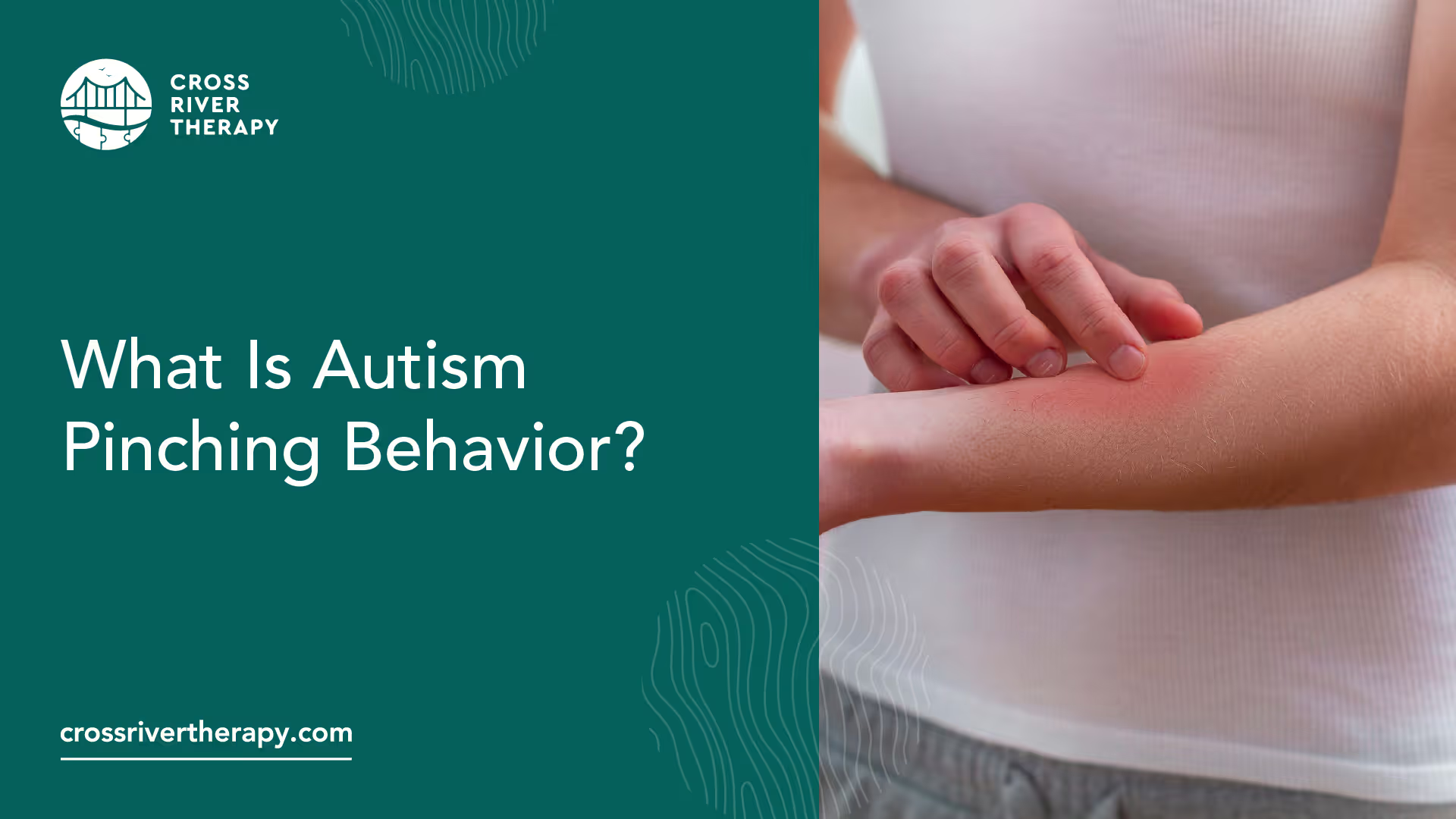
The exact cause of autism pinching behavior is unknown, but it is thought to be related to a variety of factors, such as sensory processing issues or anxiety. Some people with autism may engage in pinching behavior as a way to cope with overwhelming sensory input or to release tension.
While pinching behavior is often associated with autism, it is not limited to this population. It can also be seen in individuals with other developmental or intellectual disabilities, as well as in individuals without any known diagnosis.
Pinching behavior can take many different forms, but some common examples include biting, scratching, hitting or pinching oneself, or even banging one's head against a hard surface.
The behavior can be mild or severe and can be a temporary or chronic issue.
For families and caregivers of individuals with autism, pinching behavior can be a challenging issue to address. It is important to understand that the behavior is not intentional and is not a sign of malice or a desire to cause harm. Instead, it is a coping mechanism that the individual may not be able to control.
There are a variety of strategies that can be used to address pinching behavior in individuals with autism.
Some individuals may benefit from sensory input, such as weighted blankets or deep pressure massage, to help reduce anxiety and tension. Others may benefit from behavioral interventions, such as positive reinforcement or redirection to a more appropriate behavior.
It is important to work with a qualified professional, such as a behavioral therapist or occupational therapist, to develop a plan for addressing pinching behavior in individuals with autism.
With the right support and interventions, individuals with autism can learn to manage their behavior and improve their overall quality of life.
Identifying Triggers of Pinching Behavior in Individuals with Autism
Identifying triggers that can lead to pinching behavior is an important step in managing this challenging symptom. It is essential to understand what factors may contribute to the behavior in order to develop effective strategies for addressing it.
Some common triggers of pinching behavior in individuals with autism include:
- Sensory overload: Overwhelming sensory input, such as loud noises, bright lights, or strong smells, can trigger pinching behavior.
- Anxiety or stress: Individuals with autism may experience anxiety or stress in social situations or when faced with changes in routine.
- Frustration or communication difficulties: Difficulty communicating needs and wants can lead to frustration and may trigger pinching behavior.
- Physical discomfort: Pain or discomfort, such as from gastrointestinal issues or dental problems, can also contribute to pinching behavior.
By identifying these triggers, caregivers and professionals can work together to develop individualized plans for managing pinching behavior.
Strategies may include modifying the environment to reduce sensory input, providing opportunities for exercise and physical activity to reduce anxiety and stress, teaching alternative communication methods, or addressing underlying medical issues.
The Risks and Consequences of Untreated Pinching Behavior
Untreated pinching behavior in individuals with autism can result in a variety of negative consequences.
One potential consequence is the risk of infection, particularly if the individual breaks the skin through biting or scratching. Infections can be painful and may require medical treatment, including antibiotics or even hospitalization.
Another potential consequence of untreated pinching behavior is the risk of injury. Individuals who engage in head-banging behavior, for example, may sustain serious head injuries over time.
Similarly, people who pinch or scratch themselves repeatedly may cause wounds that do not heal properly and can become infected.
In addition to physical risks, untreated pinching behavior can also have social and emotional consequences.
People with autism who engage in pinching behavior may struggle to form relationships with others or participate in social activities. They may feel isolated or misunderstood, which can lead to feelings of depression or anxiety.
It is important for families and caregivers to understand these potential risks and consequences of untreated pinching behavior.
By working with qualified professionals to develop effective interventions, individuals with autism can learn to manage their behavior safely and effectively, reducing the risk of negative outcomes and improving their overall quality of life.
How To Stop My Autistic Child From Pinching People
If your child with autism is engaging in pinching behavior towards you, it can be a difficult and distressing situation to manage. However, there are strategies that you can use to help reduce the behavior.
One approach is to identify the triggers that may be causing the pinching behavior. Is your child feeling overwhelmed by sensory input? Are they struggling with communication or frustration? Understanding what may be causing the behavior can help develop effective strategies for reducing it.
Another strategy is to provide alternative behaviors that your child can engage in instead of pinching.
This could include providing sensory tools such as fidget toys or chewelry, teaching relaxation techniques such as deep breathing exercises or mindfulness, or encouraging physical activity such as jumping on a trampoline or going for a walk.
It is also important to establish clear boundaries and expectations around the behavior. Consistently redirecting your child's attention away from pinching and towards appropriate behaviors can help reinforce positive habits over time.
Working with a qualified professional, such as a behavioral therapist or occupational therapist, can also be beneficial in developing effective strategies for managing pinching behavior in children with autism.
Summary
In conclusion, autism pinching behavior is a challenging symptom that can significantly impact the lives of individuals with autism and their families.
Make sure you understand that the behavior is not intentional and to seek out appropriate support and interventions to help manage the behavior.
With the right approach, individuals with autism can learn to manage their behavior and lead happy and fulfilling lives.
Recent News
Related articles

6 Arkansas Medicaid ABA Therapy Rules Families Need to Know
Arkansas Medicaid ABA therapy has age, diagnosis and approval rules. Families can check six requirements before care.

Arizona Autism Laws for ABA Coverage and School Rights
Arizona autism laws for ABA coverage vary by plan. Families can check insurance, appeal options, and school rights.

ABA Therapist Salary in Arkansas for RBTs and BCBAs
Compare ABA therapist salary in Arkansas by role. See how paid hours and benefits affect earnings before applying.

5 Autism Support Groups and Family Resources in New Mexico
Autism support groups in New Mexico connect families. Local resources offer events, parent support, and school help.

Where to Get an Autism Evaluation in New Mexico
Autism evaluation options in New Mexico include UNM and NMSU. Age and referral details help parents prepare.

7 North Carolina Autism Resources to Contact Before ABA Therapy Starts
Autism resources North Carolina families can call for diagnosis, early intervention, rights, and parent support. Start ABA intake with Cross River.

Does Indiana Medicaid Cover ABA Therapy? A Parent Checklist
Indiana Medicaid ABA therapy may cover care for eligible children. The checklist covers coaching and renewals.

How to Apply for the New Mexico DD Waiver
Your NM DD waiver application starts with state intake. The steps cover records, submission, and enrollment.

Does Insurance Cover ABA Therapy in New Jersey?
ABA therapy insurance in New Jersey varies by plan. Learn what NJ FamilyCare covers and how to check costs.

How ABA Therapy Builds Communication for Nonverbal Children Without Forcing Speech
ABA therapy communication for nonverbal children starts with AAC, signs, and daily routines. See how kids ask, refuse, choose, and get help.

How to Start ABA Therapy in New Jersey With a Checklist
Your guide explains how to start ABA therapy in New Jersey. A first-call checklist covers records and next steps.

How to Get an Autism Evaluation in Arkansas Before Starting ABA Therapy
How to get an autism evaluation in Arkansas starts with a referral, provider choice, and key records. Use this parent checklist before ABA intake.