







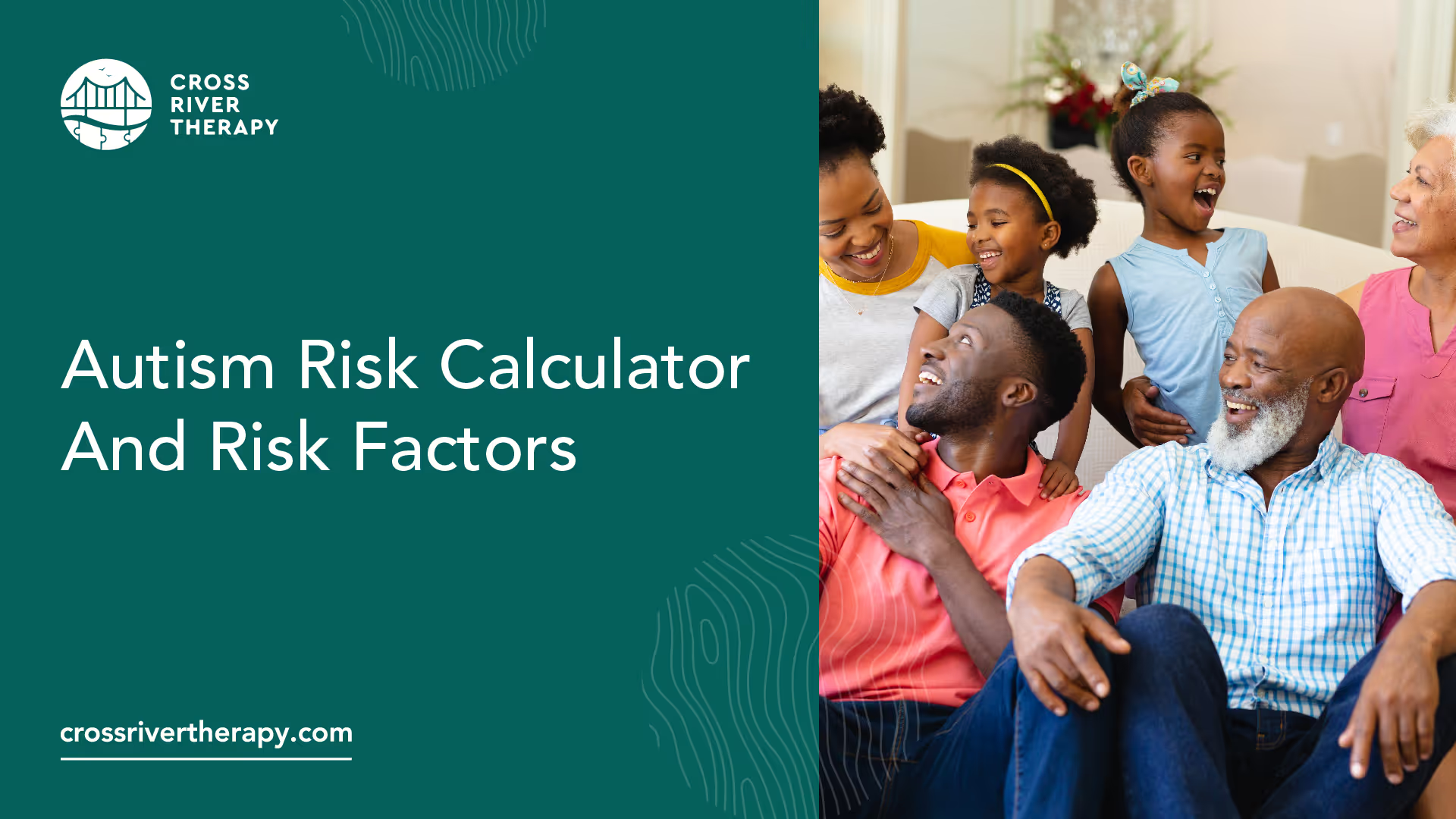
Autism Risk Calculator And Risk Factors
If you want to know what the major risk factors are of having a child with autism, read this article.
What Are Autism Risk Factors?
The direct cause of autism spectrum disorder has yet to be identified. However, there are risk factors that can increase the chances of parents having a child with autism. Below are some of the most common:
- Family history of autism - Autism often runs in families for many generations. Kids that have a sibling with autism are at increased risk of having it as well. Parents that have a baby with autism stand a better chance of their next child having autism too. The relatives of autistic children are at increased risk of having mild autistic symptoms, such as poor social skills and a lack of communication.
.avif)
- Having a baby prematurely - There are increasing signs of autism developing when a child is still in the womb, either months before, during, or immediately after a child is delivered. Studies indicate that such issues could be connected to a later autism diagnosis. Infants that are born early, especially before the 26 weeks of a woman's pregnancy, could be at a very high chance of receiving an ASD diagnosis.
- Genetics - Genetics could play an important part in some individuals developing autism. Studies with identical twins reveal that when one twin has autism, the other will likely have it on 95% of occasions. Furthermore, specific genetic circumstances are closely connected to autism. Nearly 10% of kids with autism have a chromosomal or genetic disorder of some kind, such as fragile X syndrome, Down syndrome, tuberous sclerosis, and Tourette's. Sporadic changes in genes known as mutations may also boost the chances of autism occurring in children.
- Exposure to various chemicals - When a pregnant woman is exposed to specific chemicals before giving birth, it could raise the child's risk of getting autism. Women who are pregnant that consume specific medications could also raise the chances of their child having autism or a related neurological disorder. For this reason, doctors often forbid women to use prescriptions such as those that could alter one's mood, like thalidomide. Some seizure medications could be forbidden as well, like valproic acid. Babies that haven't been born yet that are exposed to pesticides and chemical carcinogens found in plastics, such as phthalates may develop ASD or even more serious brain defects.
- The age of the parents - Parents that have children at an older age might see their child exhibit autistic symptoms. Rates of autism are highest in kids that are born to males over 50 years old. Genetic mutations in sperm rise as men become older, which might add to the risk. Although it's common for women to have children into their forties, they're also the most likely to produce an autistic child. Still, infants born to teenage mothers also have a high risk. It's still unclear why age is a big risk factor for autism. Additionally, couples that are farther apart in age, such as ten years, have higher chances of giving birth to children on the spectrum too.
- Male infants - Although autism is found in people of all ethnicities and backgrounds, one out of every 68 kids has the disorder. Yet boys are much more likely than girls to receive a diagnosis during infancy and later during childhood. It's seen at a rate that's five times greater in boys than girls, though there's still no clear evidence of why this is the case.
- Pollution - This could tie into chemicals since those can cause pollution in the air, ground, and foods that are eaten by pregnant women. Regardless, pregnant women exposed to pollution in some form may see autism later in their children. As more pollution develops, cases of autism rise. When exposure to pollution happens during the last remaining weeks of a woman's pregnancy, the risk is at its greatest. The genetic profile of a baby can also increase the chances. Premature infants with a MET gene whose mothers come into contact with pollution are known to develop ASD is high rates.
What Is the Biggest Risk Factor for Autism?
One of the greatest risk factors for autism is when autism is found in relatives, siblings, and further in a family's history.
Many kids that have brothers or sisters on the spectrum will also receive a diagnosis, though the symptoms might vary in severity from one to the next.
A child, for instance, might have level 2 autism with moderate symptoms while their younger brother may have it but show weaker symptoms, or hardly any symptoms at all.
What Increases Your Chances of Having an Autistic Child?
Smoking, alcohol, and drug consumption during pregnancy have been shown to increase the risk of women having an autistic child.
Smoking and drinking alcohol while pregnant can also lead to other extreme and sometimes fatal consequences, such as stillbirth, brain defects, and heart problems in the child.
Even pregnant women exposed to secondhand smoke stay at the same level of risk as pregnant smokers, since they both inhale a dangerous mix of harmful substances that pass into the bodies of their premature children.
Odds of Having a Child With Autism by Age
Although women that are over 40 stand a high chance of producing a child that's autistic, teenage pregnancy can also result in higher rates of autism.
The causes for this are heavily debated, with everything from increased stress levels in teens, lifestyle choices for people in those age groups, and environmental factors being linked.
Chances/Odds of Autism
According to evidence provided by the CDC, there's a one in 44 chance of everyone being diagnosed with autism. Boys are four times more likely to be diagnosed with autism than girls.
Recent News
Related articles
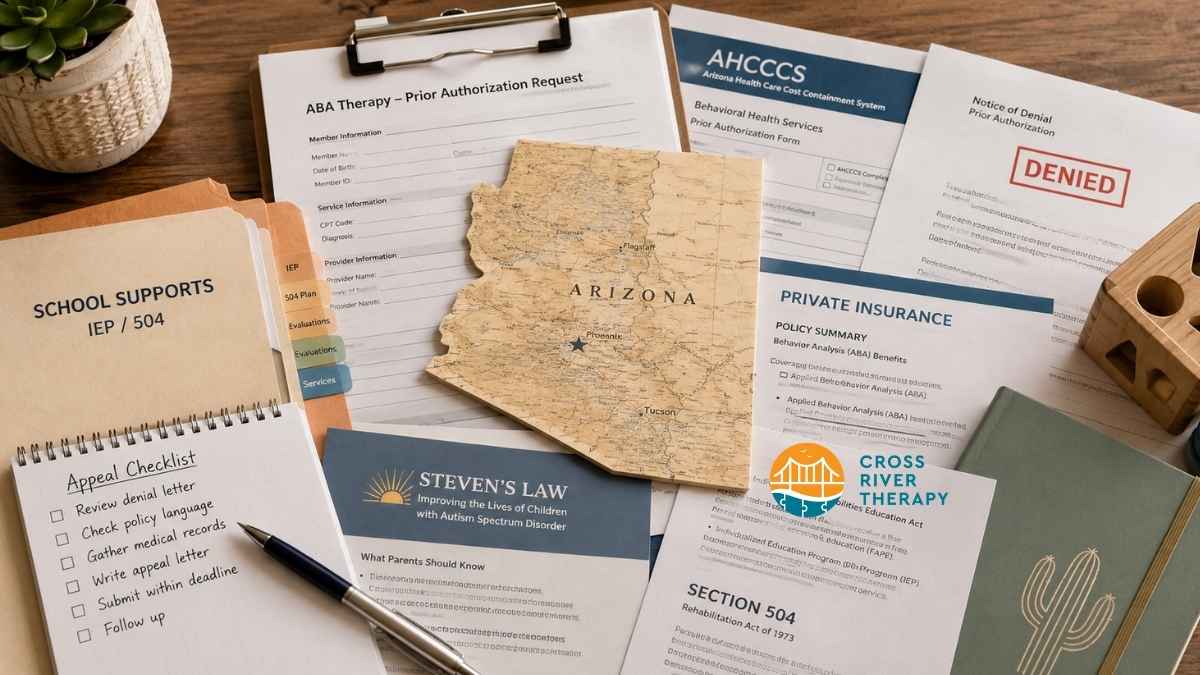
Arizona Autism Laws Every Parent Should Know Before Starting ABA Therapy
Autism laws Arizona parents should know cover ABA insurance, AHCCCS appeals, IEPs, and Section 504 rights. Check ABA coverage with Cross River.

ABA Therapist Salary in Arkansas: What BCBAs and RBTs Actually Earn in 2026
ABA therapist salary Arkansas figures compare RBT and BCBA rates, benefits, guaranteed hours, and contract terms. Explore careers at Cross River.

5 Autism Support Groups and Family Resources in New Mexico Alongside ABA Therapy
Autism support groups New Mexico families can use offer peer support, local events, and school help. Cross River can explain ABA therapy options.
Where to Get an Autism Evaluation in New Mexico Before Starting ABA Therapy
Autism evaluation New Mexico options include UNM, NMSU, FIT, and private providers. Compare providers, records, and ABA steps with Cross River.
7 North Carolina Autism Resources to Contact Before ABA Therapy Starts
Autism resources North Carolina families can call for diagnosis, early intervention, rights, and parent support. Start ABA intake with Cross River.

Does Indiana Medicaid Cover ABA Therapy? A Step-by-Step Eligibility Checklist for Parents
Medicaid ABA therapy Indiana covers eligible children under 21 with prior authorization. Your five-step coverage review can start with Cross River.
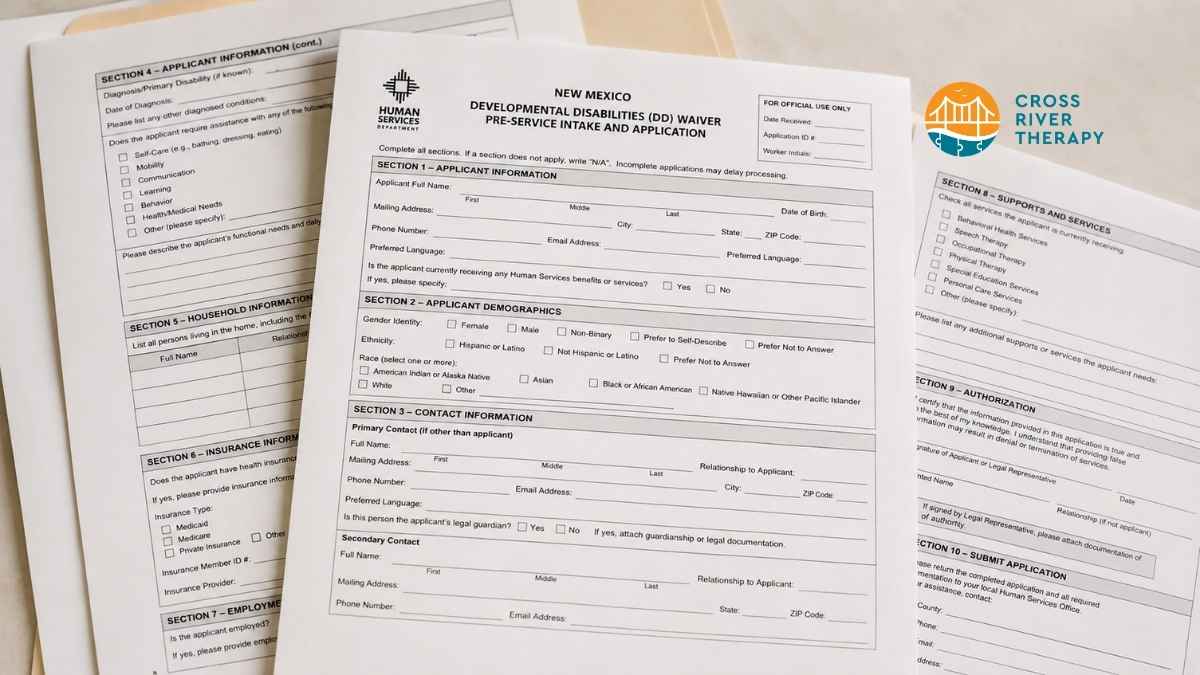
How to Apply for New Mexico’s DD Waiver While Starting ABA Therapy
Autism waiver New Mexico applications need DD Waiver records and proof of daily support needs. Your next step is to start ABA intake with Cross River.

Is ABA Therapy Covered by Insurance in New Jersey? What Every Parent Should Know
ABA therapy insurance New Jersey may cover medically necessary care based on plan type, network, and authorization. Verify benefits with Cross River.

How ABA Therapy Builds Communication for Nonverbal Children Without Forcing Speech
ABA therapy communication for nonverbal children starts with AAC, signs, and daily routines. See how kids ask, refuse, choose, and get help.

How to Start ABA Therapy in New Jersey With a First-Call Checklist
How to start ABA therapy in New Jersey begins with records, insurance details, and intake questions. Use this first-call checklist before you call.

How to Get an Autism Evaluation in Arkansas Before Starting ABA Therapy
How to get an autism evaluation in Arkansas starts with a referral, provider choice, and key records. Use this parent checklist before ABA intake.

Center-Based vs In-Home vs School-Based ABA Therapy and How to Choose the Right Fit
Center-based, in-home, and school-based ABA therapy each fit different goals, routines, and settings. Compare options before your intake call.