








How to Start In-Home ABA Therapy in Arkansas in 6 Steps
In-home ABA therapy in Arkansas begins with intake and a care plan. The steps explain records and the assessment.


Key Points:
- In-home ABA therapy in Arkansas requires a care plan based on the child’s assessed needs before regular treatment begins.
- A BCBA uses assessment findings and caregiver input to recommend goals, teaching methods, and therapy hours.
- Required insurance approvals and available staffing affect when home visits can start.
In-home ABA therapy in Arkansas begins before the first regular home visit. Applied behavior analysis, or ABA, uses teaching methods to support skills such as communication and daily tasks. The starting process includes intake, insurance review, an assessment, and a care plan built around your child.
At Cross River Therapy, our intake specialists gather information before our Board Certified Behavior Analyst (BCBA) assesses your child’s needs. We review the findings with you and handle insurance filing. Your family’s role includes sharing records, describing daily routines, and raising concerns about the proposed plan.

1. Intake Starts With Your Family’s Details
Our intake form collects your contact information, insurance details, state, and ZIP code. An intake specialist then follows up to gather additional information. A submitted form starts the conversation; it does not establish insurance approval or a therapy start date.
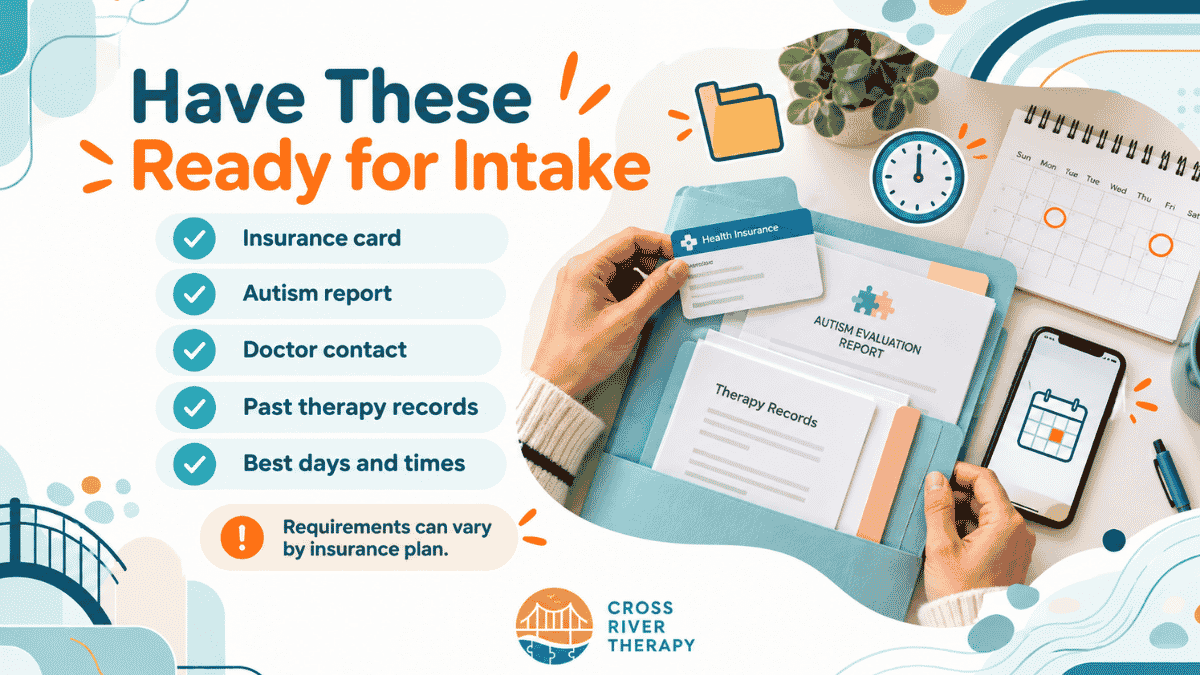
Information to have nearby includes:
- Your child’s insurance card
- Any existing autism diagnostic report
- Your child’s primary care provider’s contact details
- Previous therapy assessments or treatment records
- Your availability for home visits
Your first conversation is also a chance to explain why you are seeking support. A concern such as “My child has trouble asking for help during dressing” gives the team a starting point.
Families seeking an ABA therapist in Little Rock, AR, or in-home autism therapy in Fayetteville can share their location during intake. Current appointment and staffing availability should be part of that conversation.
2. Which Records Does Your Insurance Plan Require?
Required records depend on your child’s insurance plan. An autism report, referral, or other supporting documentation may be necessary before the provider can request approval.
A short list of questions can help you understand what remains:
- Which records are missing?
- Does the plan cover ABA in the home?
- Does the provider participate in the plan’s network?
- What costs could the family owe?
Arkansas Medicaid has its own diagnosis, referral, and authorization requirements. Our Arkansas Medicaid ABA therapy guide explains those requirements separately.
The immediate task during intake is identifying the records your child’s plan needs. A requirement from another family’s insurance plan may not apply to yours.
3. What Does Assessment Approval Cover?
Assessment approval covers the evaluation services authorized by your child’s plan. It does not automatically approve ongoing therapy.
When your plan requires approval before the assessment, our intake process includes requesting that authorization and informing you when it arrives. The BCBA’s findings then help shape the proposed treatment plan.
Prior authorization means the insurer has reviewed whether a requested service is medically necessary. It also does not guarantee payment of every cost. Your benefits, eligibility, and any family payment responsibilities still need review.
During a wait, the intake team can explain whether the next step involves missing records, an insurance decision, or appointment scheduling. Those are separate parts of starting care.
4. The BCBA Learns About Life at Home
The ABA assessment helps the BCBA understand your child’s skills, interests, and support needs. Our home-based ABA services connect care to the child’s needs and everyday routines.
Your observations help explain what an assessment visit alone may not show. Topics to share include:
- How your child requests help or a break
- Activities and toys your child enjoys
- Routines that cause distress
- Tasks your child already completes independently
- School hours and existing therapy appointments
- Household responsibilities that affect your availability
Descriptions can stay simple. “Getting dressed takes longer when the shirt has buttons” gives more detail than “Mornings are difficult.”
In a published review, Alethea Marcellus praised our staff’s patience while learning her son’s needs and their quality check-ins. Her review describes one family’s experience.
5. Your Child’s Care Plan Sets the Goals
The care plan turns assessment findings into specific teaching goals. A BCBA designs the program around the child’s skills, needs, preferences, and family circumstances. ABA program planning also includes tracking progress and adjusting goals when needed.
The plan should explain:
- Which skills therapy will address
- Why those goals are appropriate
- The recommended amount of therapy
- How the team will measure progress
- What caregiver training will involve
A goal should describe something the team can observe. For example, a child who needs help opening a container might practice requesting assistance through their usual communication method. The team can record how much support the child needs.
Our Arkansas treatment plans include parent training goals based on each family’s needs. During the plan review, your questions can address how the proposed goals relate to home life and what caregiver participation involves.
6. Treatment Approval and Staffing Lead to Home Visits
After care planning, any required treatment authorization and staffing arrangements still need completion. Recommended therapy hours and the hours an insurer approves may differ. Approval alone does not establish an available start date.
A Registered Behavior Technician (RBT) may provide direct sessions under supervision. The RBT’s role involves delivering behavior services under the direction of a qualified supervisor.
Before regular visits begin, details worth confirming include:
- The supervising BCBA and direct care staff
- Session days and times
- Caregiver attendance requirements
- How to report illness or request schedule changes
- How the team will share progress
- Whom to contact about treatment concerns
Home visits involve your household as well as your child. A conversation about shared rooms, pets, siblings, and privacy can help everyone understand the arrangements before sessions start.

FAQs About In-Home ABA Therapy in Arkansas
Does an ABA assessment replace an autism diagnosis?
An ABA assessment identifies skills and treatment needs. An autism diagnostic evaluation determines whether a child meets autism diagnostic criteria. The appointments serve different purposes. Our Arkansas autism evaluation guide explains diagnostic options before ABA intake.
Can my child continue speech or occupational therapy while starting ABA?
ABA can be part of care that also includes speech or occupational therapy. The CDC describes autism treatment approaches that address different needs and may work together. Providers should know about existing services, while the insurer can explain billing and coverage limits.
What if my child already receives ABA from another provider?
A family changing providers should share the previous assessment, care plan, progress reports, and authorization details during intake. The new provider and insurer can explain whether updated records or another assessment is necessary. An existing approval should not be treated as an automatic approval for a new provider.
Begin Your Arkansas In-Home ABA Intake
Starting home-based care involves both paperwork and a plan that reflects your child’s daily life. Your knowledge of your child helps turn assessment findings into goals your family can understand.
At Cross River Therapy, we offer Arkansas in-home ABA services. Our intake team can gather your information and explain the next steps toward assessment and care planning. Your initial request gives us a place to begin.
Recent News
Related articles
How to Start In-Home ABA Therapy in Arkansas in 6 Steps
In-home ABA therapy in Arkansas begins with intake and a care plan. The steps explain records and the assessment.

6 Arkansas Medicaid ABA Therapy Rules Families Need to Know
Arkansas Medicaid ABA therapy has age, diagnosis and approval rules. Families can check six requirements before care.

Arizona Autism Laws for ABA Coverage and School Rights
Arizona autism laws for ABA coverage vary by plan. Families can check insurance, appeal options, and school rights.

ABA Therapist Salary in Arkansas for RBTs and BCBAs
Compare ABA therapist salary in Arkansas by role. See how paid hours and benefits affect earnings before applying.

5 Autism Support Groups and Family Resources in New Mexico
Autism support groups in New Mexico connect families. Local resources offer events, parent support, and school help.

Where to Get an Autism Evaluation in New Mexico
Autism evaluation options in New Mexico include UNM and NMSU. Age and referral details help parents prepare.

7 North Carolina Autism Resources to Contact Before ABA Therapy Starts
Autism resources North Carolina families can call for diagnosis, early intervention, rights, and parent support. Start ABA intake with Cross River.

Does Indiana Medicaid Cover ABA Therapy? A Parent Checklist
Indiana Medicaid ABA therapy may cover care for eligible children. The checklist covers coaching and renewals.
How to Apply for the New Mexico DD Waiver
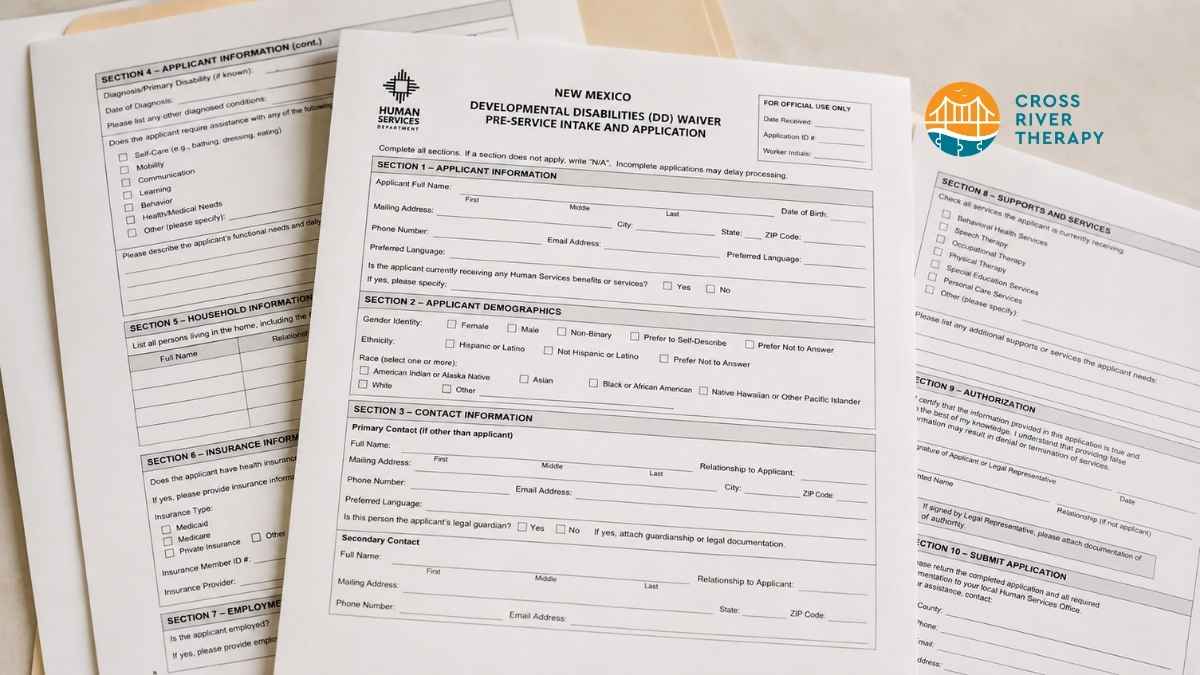
Your NM DD waiver application starts with state intake. The steps cover records, submission, and enrollment.

Does Insurance Cover ABA Therapy in New Jersey?
ABA therapy insurance in New Jersey varies by plan. Learn what NJ FamilyCare covers and how to check costs.

How ABA Therapy Builds Communication for Nonverbal Children Without Forcing Speech
ABA therapy communication for nonverbal children starts with AAC, signs, and daily routines. See how kids ask, refuse, choose, and get help.

How to Start ABA Therapy in New Jersey With a Checklist
Your guide explains how to start ABA therapy in New Jersey. A first-call checklist covers records and next steps.