








20 Calming Strategies For Kids With Autism
Autism can affect how your child feels, and can make them get antsy. The calming strategies listed below can help them calm down.


Calming Strategies For Autism
Autism is a developmental disorder that affects a person's communication and social interaction skills. For individuals with autism, it can be challenging to manage their emotions and regulate their behavior.
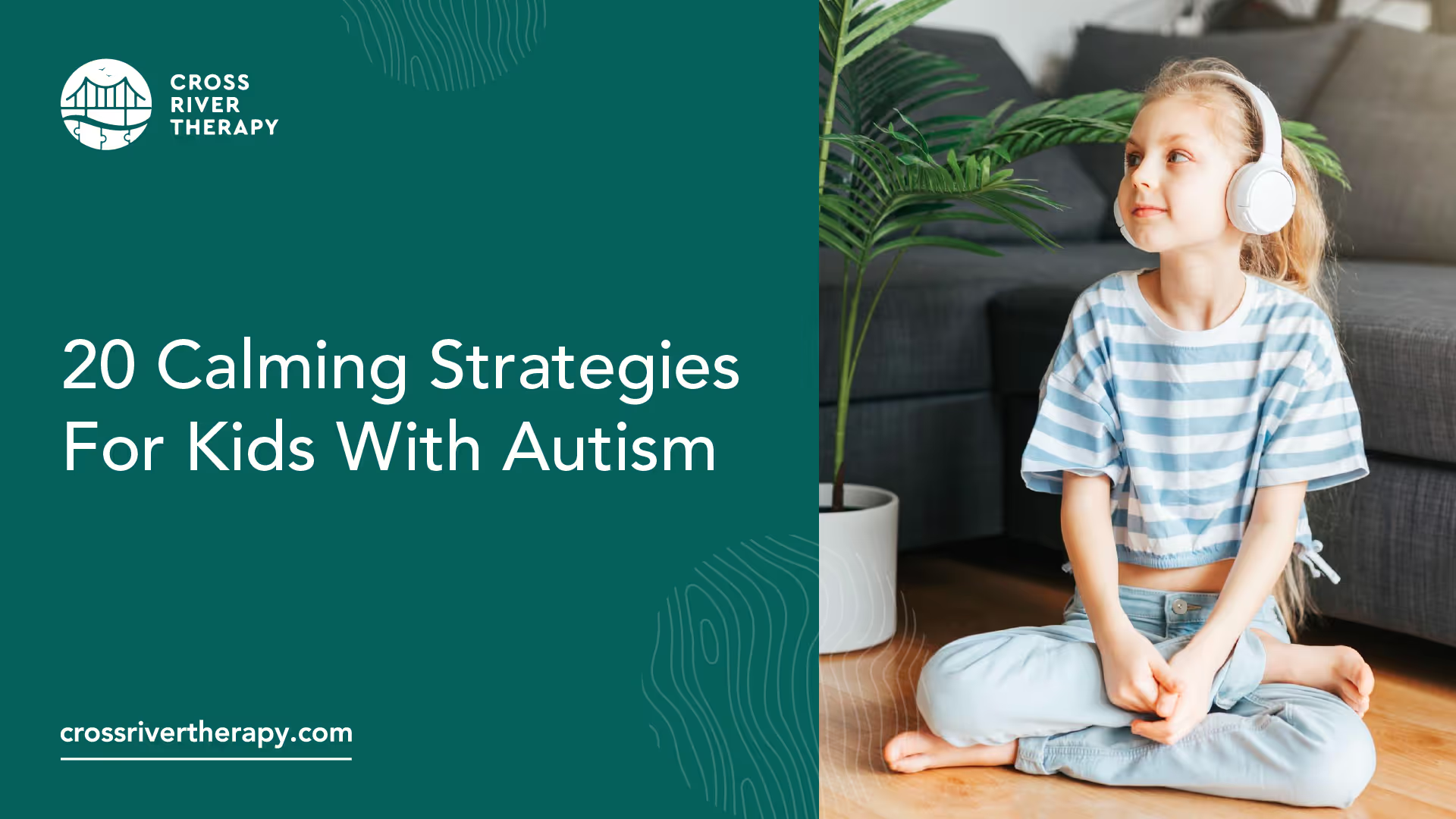
However, there are several calming strategies that can help mitigate anxiety and promote relaxation. The strategies listed below can help your child calm down.
- Deep breathing exercises: Deep breathing is a technique that can help reduce stress and anxiety. Encourage the person with autism to take slow, deep breaths, holding each breath for a few seconds before exhaling.
- Sensory toys: Sensory toys can be a great way to help individuals with autism calm down. Fidget spinners, stress balls, and squishy toys can provide a calming and satisfying sensory experience.
- Weighted blankets: Weighted blankets are designed to provide deep pressure stimulation, which can have a calming effect. They can help individuals with autism relax and sleep better at night.
- Visual schedules: Visual schedules can help individuals with autism understand what is happening and what is expected of them. They provide a sense of structure and predictability, which can help reduce anxiety.
- Exercise: Exercise can be an effective way to reduce stress and anxiety. Encourage the person with autism to engage in physical activities that they enjoy, such as swimming, dancing, or playing sports.
- Aromatherapy: Aromatherapy can be a great way to promote relaxation. Essential oils such as lavender, chamomile, and peppermint can help reduce stress and anxiety.
- Yoga: Yoga is a gentle form of exercise that can help individuals with autism relax and reduce stress. It can also improve flexibility and balance.
- Music therapy: Music therapy can be a great way to promote relaxation and reduce stress. Soft, calming music can help individuals with autism relax and feel more comfortable.
- Massage: Massage can be an effective way to reduce stress and anxiety. It can also help improve body awareness and sensory integration.
- Mindfulness meditation: Mindfulness meditation can help individuals with autism become more aware of their thoughts and feelings. It can also help them learn to regulate their emotions and reduce stress.
- Art therapy: Art therapy can be a great way to promote relaxation and reduce stress. It allows individuals with autism to express themselves creatively and can help improve their self-esteem.
- Nature walks: Spending time in nature can have a calming effect on individuals with autism. It can also provide a sensory-rich environment that can promote relaxation.
- Social stories: Social stories can help individuals with autism understand social situations and learn appropriate behaviors. They can also help reduce anxiety and improve communication skills.
- Calming scents: Calming scents such as vanilla, lavender, and chamomile can help promote relaxation and reduce stress.
- Breathing exercises with bubbles: Blowing bubbles can be a fun way to practice deep breathing exercises. It can also provide a calming sensory experience.
- Progressive muscle relaxation: Progressive muscle relaxation is a technique that involves tensing and relaxing different muscle groups. It can help reduce stress and promote relaxation.
- Sensory rooms: Sensory rooms can provide a safe and calming environment for individuals with autism. They are designed to provide sensory stimulation and can help reduce anxiety.
- Animal therapy: Animal therapy can be a great way to promote relaxation and reduce stress. Spending time with animals can help individuals with autism feel more calm and comfortable.
- Chewable jewelry: Chewable jewelry can provide a safe and satisfying sensory experience. It can also help reduce anxiety and improve focus.
- Mindful breathing: Mindful breathing involves focusing on the present moment and your breath. It can help reduce stress and promote relaxation.
How To Calm Down Your Child With Autism
Caring for a child with autism can be challenging, especially when they are experiencing anxiety or agitation. As a caregiver, it's important to have strategies in place to help calm them down and create a sense of security. Here are some tips on how to calm down your child with autism:
- Stay calm: When your child is upset, it's essential that you remain calm. If you become agitated or stressed, it can escalate the situation and make it more difficult to manage.
- Validate their feelings: Let your child know that you understand how they're feeling and that their emotions are valid. This can help them feel heard and supported.
- Provide a safe space: Create a designated safe space where your child can go to feel calm and secure. This could be a quiet room or a cozy corner with soft blankets and pillows.
- Use calming sensory tools: Provide your child with sensory tools such as fidget toys, weighted blankets, or noise-cancelling headphones. These tools can help regulate their nervous system and provide comfort.
- Stick to routines: Children with autism often thrive on routine and predictability. Stick to regular routines for meals, bedtime, and other daily activities to provide structure and consistency.
- Practice breathing exercises together: Teach your child deep breathing exercises that they can use when they're feeling overwhelmed or anxious. Practice these exercises together so they become familiar with them.
- Engage in calming activities: Encourage your child to engage in calming activities such as drawing, listening to music, or taking a warm bath.
- Use social stories: Social stories can be an effective way to teach children with autism about appropriate behaviors in different situations. Use social stories to help prepare them for new experiences or events.
- Offer choices: Giving your child choices can help them feel more in control of the situation and reduce anxiety levels. Offer choices for activities, food, or clothing.
- Seek professional help: If your child is experiencing significant anxiety or agitation, it may be helpful to seek professional help from a therapist or other healthcare provider. They can provide additional strategies and support for managing challenging behaviors.
FAQs
As a caregiver or parent of an individual with autism, you may have some questions about calming strategies. Here are some frequently asked questions about calming strategies for autism:
Do all calming strategies work for everyone with autism?
No, not all calming strategies work for everyone with autism. Each individual is unique and may respond differently to different strategies. It's important to try out different techniques and observe which ones work best for the individual.

How long does it take for a calming strategy to work?
The time it takes for a calming strategy to work can vary depending on the individual and the situation. Some individuals may respond quickly to certain techniques, while others may require more time and practice.
Can I use multiple calming strategies at once?
Yes, you can use multiple calming strategies at once if you find that they are effective in reducing anxiety and promoting relaxation. For example, you could combine deep breathing exercises with sensory toys or aromatherapy.
Are there any potential risks associated with using calming strategies?
In general, most calming strategies are safe and do not pose any risks. However, it's important to be aware of any allergies or sensitivities that the individual may have to certain scents or materials used in sensory tools.
Can I teach my child with autism to use these techniques independently?
Yes, it's possible to teach your child with autism to use these techniques independently over time. With practice and guidance, they can learn how to regulate their emotions and reduce anxiety using these techniques on their own.
By understanding more about these frequently asked questions regarding calming strategies for autism, caregivers and parents can better support individuals on the spectrum by selecting appropriate techniques that fit their needs.
Summary
In conclusion, there are many calming strategies that can help individuals with autism manage their emotions and regulate their behavior. By incorporating these strategies into their daily routine, individuals with autism can experience a greater sense of calm and well-being.
Recent News
Related articles

Arizona Autism Laws Every Parent Should Know Before Starting ABA Therapy
Autism laws Arizona parents should know cover ABA insurance, AHCCCS appeals, IEPs, and Section 504 rights. Check ABA coverage with Cross River.

ABA Therapist Salary in Arkansas: What BCBAs and RBTs Actually Earn in 2026
ABA therapist salary Arkansas figures compare RBT and BCBA rates, benefits, guaranteed hours, and contract terms. Explore careers at Cross River.

5 Autism Support Groups and Family Resources in New Mexico Alongside ABA Therapy
Autism support groups New Mexico families can use offer peer support, local events, and school help. Cross River can explain ABA therapy options.

Where to Get an Autism Evaluation in New Mexico Before Starting ABA Therapy
Autism evaluation New Mexico options include UNM, NMSU, FIT, and private providers. Compare providers, records, and ABA steps with Cross River.

7 North Carolina Autism Resources to Contact Before ABA Therapy Starts
Autism resources North Carolina families can call for diagnosis, early intervention, rights, and parent support. Start ABA intake with Cross River.

Does Indiana Medicaid Cover ABA Therapy? A Step-by-Step Eligibility Checklist for Parents
Medicaid ABA therapy Indiana covers eligible children under 21 with prior authorization. Your five-step coverage review can start with Cross River.

How to Apply for New Mexico’s DD Waiver While Starting ABA Therapy
Autism waiver New Mexico applications need DD Waiver records and proof of daily support needs. Your next step is to start ABA intake with Cross River.

Is ABA Therapy Covered by Insurance in New Jersey? What Every Parent Should Know
ABA therapy insurance New Jersey may cover medically necessary care based on plan type, network, and authorization. Verify benefits with Cross River.

How ABA Therapy Builds Communication for Nonverbal Children Without Forcing Speech
ABA therapy communication for nonverbal children starts with AAC, signs, and daily routines. See how kids ask, refuse, choose, and get help.

How to Start ABA Therapy in New Jersey With a First-Call Checklist
How to start ABA therapy in New Jersey begins with records, insurance details, and intake questions. Use this first-call checklist before you call.

How to Get an Autism Evaluation in Arkansas Before Starting ABA Therapy
How to get an autism evaluation in Arkansas starts with a referral, provider choice, and key records. Use this parent checklist before ABA intake.

Center-Based vs In-Home vs School-Based ABA Therapy and How to Choose the Right Fit
Center-based, in-home, and school-based ABA therapy each fit different goals, routines, and settings. Compare options before your intake call.